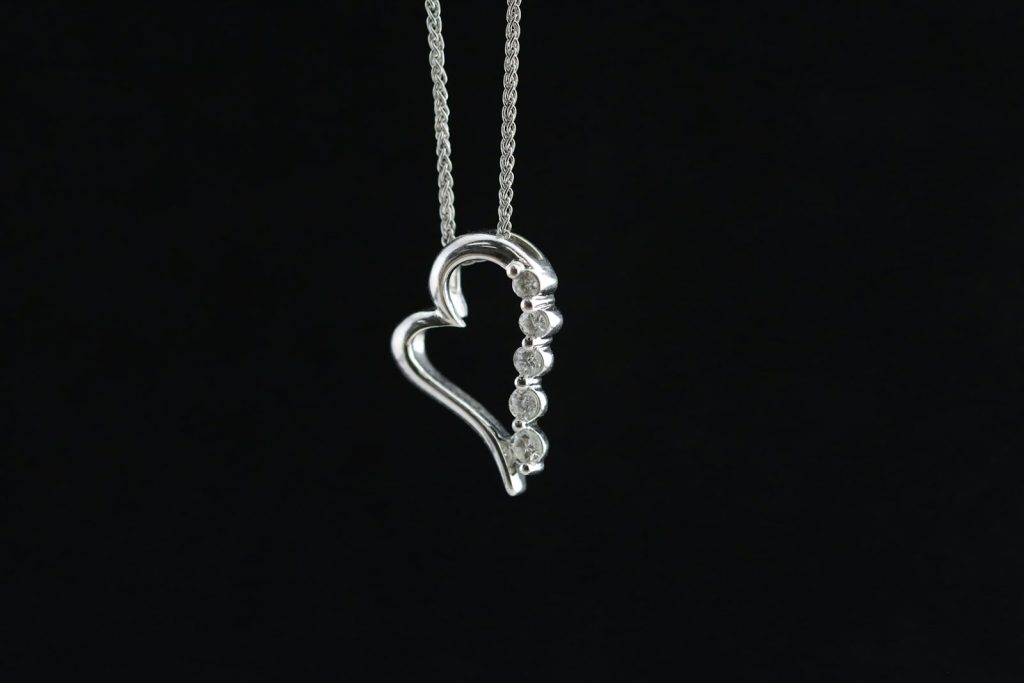
Balinese silver jewelry wholesale means buying 925 sterling-silver pieces — designed and produced in Bali’s Celuk and surrounding villages — in bulk for resale under your own brand or label. On this page we focus on tribal & temple-motif Balinese silver: Barong, floral, wave and ethnic patterns built in filigree and granulation, with export-ready 925 mechanics and QC.
What “Balinese Tribal & Temple-Motif” 925 Actually Is
Balinese “tribal” or “temple” silver is not a single design, but a cluster of motif families that repeat across rings, bracelets, earrings and pendants:
Core Balinese Motif Families
- Barong & mask motifs – guardian faces, teeth, swirling manes, often high-contrast oxidized.
- Temple & gate patterns – split gates (candi bentar), meru roof silhouettes, shrine borders.
- Floral & foliage – frangipani (jepun), lotus, rice stalks, curling leaves.
- Ocean & wave – wave curls, water lines, sometimes combined with rope borders.
- Ethnic band patterns – repetitive dots, braids and chevrons that read as “tribal” in export markets.
Most are executed in:
- Filigree – drawn 925 wire shaped into curls and scrolls, then soldered.
- Granulation – tiny 925 balls fused in patterns.
- Oxidized relief – recessed areas darkened to push detail forward.
Celuk village — just outside Ubud — is the long-standing 925 production center that feeds most “ethnic Balinese silver” exported under international brand names.
925 Mechanics: What Importers Should Check
Balinese tribal silver is decorative on the surface, but wholesale buyers should start with the metal standard and construction.
Sterling-Silver Standard (925)
“Sterling” or “925” means:
- 92.5% silver by weight.
- 7.5% alloy – usually copper, occasionally other metals in small proportions to adjust hardness and tarnish behavior.
For export-grade Balinese 925:
- Pieces are typically stamped 925 or “STERLING” on an inside band, tag, or clasp.
- For heavy or high-ticket lines, serious buyers often spot-check via XRF (x-ray fluorescence) or respected assay labs in their home markets.
If you handle compliance yourself, verify that your buyer market accepts generic 925 stamping or if additional marking (e.g., responsibility mark, country-of-origin) is required.
Construction: Weight, Hollow vs Solid
Balinese tribal pieces vary widely in gram weight:
- Rings – simple tribal bands may be 3–5 g; wide temple-motif bands with full granulation can run 8–12 g+ in size 7–8.
- Bracelets – box-chain or rope-chain tribal bracelets often span 12–35 g depending on thickness and length.
- Pendants – small floral/Barong pendants typically 3–9 g without chain.
- Earrings – filigree drops often 2–5 g per pair; chunky “tribal” hoops may reach 8–10 g per pair.
Ask explicitly:
- Is the piece solid, semi-hollow, or fully hollow?
- What is the average gram weight per size (for rings/bracelets)?
- What is the weight tolerance (e.g., ±0.25 g or ±5%)?
Balinese workshops hand-fabricate a large portion of ethnic lines, so ±5–10% weight variance across a batch is normal. For catalog/OEM work, you can usually negotiate tighter controls at higher MOQs.
Oxidized vs Defective Finish
Balinese tribal silver routinely uses deliberate oxidation:
- Intentional oxidation – recesses are dark grey/black; high points are bright; contrast is even across the piece.
- Defect tarnish – patchy yellow/black film, rainbow discoloration, or spots on raised areas before wear.
During QC, we separate:
- “Design oxidation” – specified in the master sample and repeatable.
- “Pre-ship tarnish” – excess sulfur or poor finishing; should be re-polished or rejected.
If you work with any tribal silver jewelry supplier in Bali, insist on reference photos (or physical masters) that show the intended oxidation level and gloss; this prevents disputes later.
Tribal & Temple Motifs as a Differentiated Line
Compared to generic plain-silver staples, traditional motif silver wholesale fills a specific niche:
- More story – Barong as protector, temple gates as threshold, frangipani as hospitality.
- Higher perceived craftsmanship – visible handwork in filigree and granulation.
- Stronger regional identity – “ethnic Balinese silver” signals place-of-origin to end customers.
For B2B buyers, that translates into:
- Positioning for ethnic/tribal, boho, yoga, spiritual, resort and “artisanal” segments.
- Higher relative margins per gram than pure commodity chains or blanks, in many markets.
Where Heritage Shows in the Piece
A few practical examples:
- Barong ring – sculpted face framed by spiral filigree; oxidized eye and mouth recesses; bright-polished snout and teeth.
- Temple cuff – repeating gates and shrine-roof silhouettes; oxidized background; 925 base with optional gold-plated highlights.
- Frangipani earrings – layered petals; lightly oxidized petal centers; polished edges.
- Wave bracelet – continuous rolling wave; darker inside curve, bright crest.
Because these are handmade, expect micro-variations:
- Slightly different granule placement.
- Minor variations in oxidation darkness.
- Subtle asymmetry in very detailed masks or flowers.
For many brands, this is a feature — not a defect — as long as structural quality and 925 content are consistent.
How Balinese Tribal Silver Is Produced
Understanding the production flow helps you set realistic MOQs and lead times.
Workshop Structure
Typical Celuk-based production for tribal motifs combines:
- Master model making – hand-carved wax or fabricated silver prototype.
- Rubber/silicone moulds for repeating elements (rings, central motifs, basic shapes).
- Hand-assembly – filigree wires and granules added, shanks soldered, findings attached.
- Finishing – filing, emery, polishing, oxidation, final buff.
Your per-piece consistency will depend on the ratio of cast vs fully hand-fabricated components and how your supplier handles in-house QC.
Anti-Tarnish, E-Coating & Rhodium
Traditional ethnic Balinese silver is usually plain 925 with oxidation. Modern wholesale buyers sometimes request extra protection:
- Anti-tarnish “e-coating” – clear nano or lacquer-like coatings applied after polishing. They:
- Slow normal atmospheric tarnish.
- Can slightly mute oxidation contrast if not masked properly.
- Rhodium plating – thin, bright, grey-white layer over 925:
- Popular in Western markets for “white gold” look.
- Usually applied after oxidation is selectively removed from high points; recesses retain darkness.
Trade-offs:
- Coatings and rhodium add cost and processing time.
- For strongly tribal, dark-contrast lines, many buyers skip heavy coatings to maintain relief depth.
Always request sample pieces finished exactly as your production will be — oxidation + any coating or rhodium — and test them in your own storage/display conditions.
MOQ, Lead Times & Pricing Bands
We do not publish fixed price lists. Labor, silver price and design complexity move the numbers continuously. Instead, use realistic bands and confirm with suppliers.
All ranges below are indicative only, last verified June 2026 from Celuk-area export desks and workshops, based on standard 925 and normal detail levels.
| Category | Typical MOQ | Indicative ex-factory range* | Notes |
|---|---|---|---|
| Simple tribal bands (rings) | 30–100 pcs/size/design | ~US$2.50–7.00/pc | Light to medium weight, limited granulation. |
| Detailed temple/Barong rings | 30–100 pcs/size/design | ~US$6.00–18.00/pc | Heavier, more handwork, deeper oxidation. |
| Tribal/temple bracelets | 20–50 pcs/length/design | ~US$12.00–60.00/pc | Weight and clasp type drive cost. |
| Ethnic pendants (no chain) | 50–200 pcs/design | ~US$3.00–15.00/pc | Gemstone settings add cost and QC steps. |
| Tribal earrings (pairs) | 50–200 pairs/design | ~US$3.00–14.00/pair | Hooks vs posts, weight and detail matter. |
*FOB Bali/Surabaya basis; silver above or below recent averages and finishing upgrades will shift these ranges. Always update quotes before committing.
Lead Times
Typical:
- Sampling – 2–4 weeks for new tribal designs, depending on complexity and back-and-forth.
- Production – 4–8 weeks for first orders in the low thousands of pieces, longer for very detailed, mostly handwork lines.
- Re-orders – once models and moulds are stable, 3–6 weeks is common for repeat runs, subject to seasonality.
Add:
- 1–2 weeks for aggregated QC + packing.
- Transit time depending on Incoterm and destination.
If you need help mapping MOQs and lead times to your assortment plan, you can request a wholesale quote to Celuk and discuss in person or via WhatsApp with the export team first.
FOB, Incoterms & Export Basics
Balinese 925 exports can be arranged under standard Incoterms. Most trade is in USD or EUR.
Common Incoterms for Celuk 925
- FOB (Free On Board) Bali/Surabaya
- Supplier delivers goods cleared for export, loaded on the vessel or handed to your nominated air forwarder. You handle main freight, insurance and destination costs.
- CIF (Cost, Insurance & Freight)
- Supplier quotes up to your seaport; includes freight and basic insurance. You handle destination port charges, customs and local delivery.
- CIP / DAP (for air shipments)
- Variants where the seller covers carriage and insurance to a named place; duties and taxes usually remain with buyer.
Clarify in writing:
- Who pays for export documentation (invoice, packing list, HS code declarations, origin statements).
- Packaging standard – polybags, anti-tarnish paper, branded boxes (if OEM/private label).
- Carton weights and dimensions for your freight-planning team.
Loss, Damage & Insurance
Silver is a valuable, compact commodity:
- Insure both samples and bulk shipments, especially air-cargo parcels.
- Match declared values to commercial invoices to avoid disputes with insurers or customs.
Your forwarder or trade-desk partner should supply:
- AWB / B/L copies.
- Photographic evidence if cartons are damaged before dispatch.
OEM & Private-Label Options
Many buyers want “ethnic Balinese silver” without obvious duplication of open-market SKUs.
OEM on Existing Tribal Motifs
OEM usually means:
- Using existing Balinese tribal/temple models.
- Applying your logo stamp next to 925 where feasible.
- Customizing minor details:
- Band width or thickness.
- Changing floral vs wave fill inside a fixed outline.
- Choice of oxidation depth and polish (matte vs high gloss).
MOQs for OEM logo stamping are often:
- 200–500 pcs per model for cast items.
- Lower if stamps are applied by hand and design volume is high overall.
Private-Label: Your Line, Balinese Language
For more exclusive positioning:
- Design briefs with your own sketches or CAD files, but asking artisans to translate into Balinese filigree and granulation.
- Locking motif families: e.g., your own guardian mask, your own stylized gate, your own floral mandala.
- Clear agreement on tooling ownership (moulds, masters) and re-use limits with other buyers.
Budget for:
- One-time development fees (master models, moulds).
- Higher MOQs per SKU once approved.
Ask any tribal silver jewelry supplier:
- How they handle design confidentiality.
- Whether they reserve the right to reuse elements (e.g., standard shanks) in other lines.
Quality Control: What To Expect & What To Verify
Balinese workshops range from family-scale to medium factories. QC discipline is what separates export-grade supply from tourist-level product.
QC Checkpoints for Tribal & Temple Lines
At Celuk Silver Wholesale, we break QC into stages you can mirror or audit:
- Pre-production
- Approved master sample with photos and gram weights.
- Clear specification sheet: 925 standard, dimensions, allowed tolerance, oxidation level, finishing, hallmark/branding.
- In-line QC
- Random checks during casting and filing for porosity and solder integrity.
- Filigree and granulation pattern position against the master.
- Pre-oxidation QC
- Surface inspection for scratches, pits, deformation.
- Final QC
- Spot-check weight per piece or per size.
- Check that 925 and brand marks are present and legible where specified.
- Visual check for even oxidation, clean high points, no polishing residue.
- Functional test of clasps, hinges, ear posts, and backings.
Your Own Verification Steps
What an importer should still do independently:
- Assay a sample batch in your home market when scaling a new supplier relationship.
- Test nickel content if selling into markets with strict nickel-release rules.
- Run wipe and wear tests:
- Use silver-cleaning cloths on samples to see if oxidation holds as intended.
- Check for plating/coating failure on rhodium or e-coated items.
- Have returns data feed back into specification updates (e.g., thicker posts, heavier jump rings).
No export desk can remove every risk in a handmade, oxidized line, but clear specs and mutual QC transparency keep disputes low.
Assortment Planning for Ethnic Balinese Silver
To make tribal and temple-motif lines work commercially, treat them as a structured category, not an add-on.
Depth vs Breadth
Common strategies:
- Motif-first: choose 2–4 motif families (e.g., Barong, gate, frangipani, wave) and build rings, bracelets, earrings, pendants around each for easy merchandising.
- Price-band-first: design SKUs targeting specific retail bands (e.g., US$39–59 rings, US$59–129 bracelets) and work backward into gram weights and complexity.
- Material-mix: combine pure 925 tribal lines with selective:
- 9k/14k gold accents (vermeil or solid elements).
- Gemstones that fit your brand (moonstone, garnet, onyx, etc.).
Starter Capsule Example
For a new “ethnic Balinese silver” sub-brand, a minimal but coherent opening capsule might be:
- 4 ring designs × 4–6 sizes.
- 3 bracelet/chain variants.
- 4 pendant motifs (with or without chain options).
- 4 earring styles (2 studs, 2 drops/hoops).
That yields visible variety in-store without stretching MOQ budgets too far.
To map this into a concrete buy plan based on your current retail pricing and POS channels, you can request a wholesale quote – in person or via WhatsApp – with product samples in hand and work through the numbers together.
Working With a Tribal Silver Jewelry Supplier in Bali
Before you wire deposits, align on basic operating rules.
Key Commercial Terms to Lock Down
- Payment – deposits vs balance on completion/BL copy; LC for larger orders.
- Price review triggers – silver spot price changes or design modifications.
- Defect handling – what’s considered reject vs acceptable variance for:
- Handmade pattern differences.
- Oxidation depth variation.
- Weight tolerance.
- Replacement or credit policy for confirmed structural defects or incorrect specs.
Ask for:
- Photos of real production lots, not only catalog images.
- References or track record exporting to your region, where possible.
Celuk Silver Wholesale operates as an independent sourcing and QC desk in this ecosystem: no one can pay to change what we publish; if you proceed with our partner they may pay us a referral fee at no extra cost to you.
FAQs: Balinese Tribal & Temple-Motif 925
Is all ethnic Balinese silver actually 925 sterling?
No. Tourist-market pieces can be lower purity or silver-plated base metal. For export-grade balinese silver jewelry wholesale, insist on documented 925 use, hallmarking where required in your market, and run your own periodic assays with a trusted lab.
Will the dark oxidation on tribal motifs rub off quickly?
Properly applied oxidation bonds to the 925 surface in recesses and should hold during normal wear. Raised areas will naturally brighten over time. If dark areas vanish entirely with a light silver cloth, the finishing process was weak and should be corrected with the supplier.
Can I get nickel-free Balinese tribal silver jewelry?
Yes. Base 925 alloys used in Celuk are typically silver-copper without nickel, but some findings or plated components can include nickel. Specify “nickel-free” in your purchase order, and verify via lab testing if selling into strict-regulation markets.
What’s a realistic starting budget for a small tribal assortment?
Budgets vary widely, but importers often start test capsules around a few thousand US dollars ex-factory to cover multiple SKUs and sizes. Use the indicative ranges above to rough out quantities, then request current quotes tied to your exact designs and Incoterms.
Can Balinese workshops copy my existing tribal designs from another supplier?
Technically many designs can be replicated, but you should avoid infringing any protected IP or design rights. A safer path is to brief original motifs that fit the Balinese style language and document that development as your own OEM or private-label project.