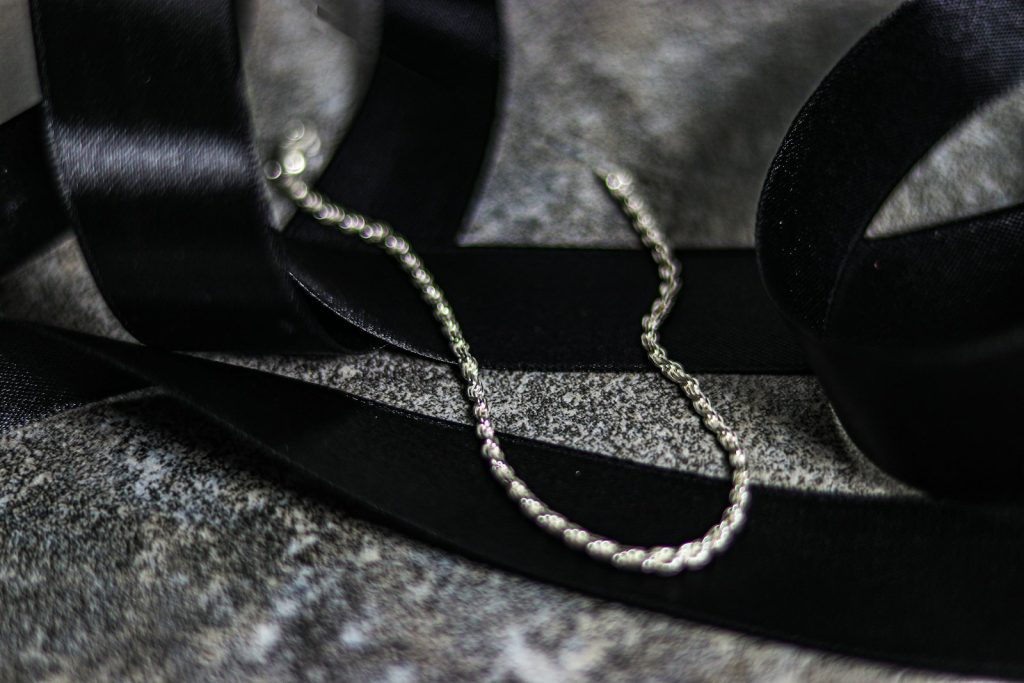
Wholesale silver anklets are 925 sterling-silver ankle bracelets supplied in bulk to retailers, resort brands, and importers under clear MOQ, pricing bands, and Incoterms. On this page we explain how Celuk Silver Wholesale sources, consolidates, and quality-checks these lines in Bali for export as your independent 925 silver anklets wholesale desk.
As Celuk-based product and quality editors, we sit between multiple family workshops and you as the importer. We do not own a single factory. We coordinate designs, grams, finish, QC and export handling so you can treat Celuk as one silver anklet supplier Bali side, instead of managing 5–10 small producers yourself.
—
What You Get With Our Wholesale Silver Anklets Desk
Independent sourcing, not a single factory catalog
Celuk is a village of hundreds of small silver workshops: chain-makers, filigree specialists, stone-setters, and beaders. Each has 30–200 SKUs, but none has a complete, export-ready anklet line alone.
Celuk Silver Wholesale functions as an independent desk:
– We source anklets from multiple 925 silversmith groups.
– We standardize specs (alloy, length bands, clasp types, tag stamping).
– We run centralized QC and packing before handover to your freight partner.
You can treat us as a coordinating silver anklet manufacturer interface for OEM/private-label, while production stays in specialist workshops.
Product scope: 925 anklets only
We focus on:
– Chain anklets (cable, rolo, wheat, box, snake)
– Beaded silver anklets wholesale (ball, tube, Bali granule, mixed metal on request)
– Charm anklets (seashells, hearts, discs, nature motifs)
– Gemstone / shell anklets (small cabochons, chips, beads)
– Minimalist anklets (fine chains, micro beads, tag-only)
– Boho / Balinese anklets (oxidized, granulation, filigree)
– Toe-chain and slave anklets (foot-chain styles)
All are 925 sterling silver: alloy nominally 92.5% silver with 7.5% copper and/or other metals, consistent with common international “sterling” definitions.
We do not handle brass-only anklets or non-silver costume pieces.
MOQ and pricing bands (guide, not a quote)
Silver pricing moves with global bullion. Labour and complexity vary by workshop. Use these as directional ranges only (last verified June 2026, ex-factory Bali, chain anklets 23–26 cm):
– Simple chain anklets, 1.2–2.0 g:
– Typical MOQ per SKU (single length): 50–100 pcs
– Mixed-SKU MOQ per shipment (across anklets): 300–500 pcs
– Indicative ex-factory range: cost/value band in the same region as entry-level 925 chain bracelets of comparable gram weight.
– Beaded and charm anklets, 2.5–5.0 g:
– Typical MOQ per SKU: 50–100 pcs
– Mixing bead colours / charms under one design may increase MOQ.
– Price band scales with gram weight + handwork time.
– Filigree / granulation / toe-chain anklets, 4–9 g:
– Typical MOQ per SKU: 30–80 pcs (more labour, fewer units per bench).
– Per-piece labour higher; expect higher per-gram effective cost.
We will always quote only after seeing your exact design or our agreed sample. Expect your final FOB numbers to be driven by:
– Gram weight (weighable, not negotiable).
– Complexity (solder points, granules, stone settings).
– Required finishing (plain polish vs oxidized vs rhodium vs e-coating).
– Branding touchpoints (tags, logo charms, packaging, barcodes).
—
Core Anklet Sub-Types for Resort & Beach Brands
1. Chain 925 Silver Anklets
These are your volume drivers: simple chain constructions with a spring-ring or lobster clasp.
Common constructions we coordinate:
– Cable and trace chain (0.9–1.5 mm)
– Rolo / belcher (1.6–2.5 mm)
– Wheat / spiga and box chain for higher perceived value
– Satelite / station chain (tiny fixed beads along chain)
Typical specs:
– Length: 23–26 cm for adult women, often 23+3 cm extender.
– Wire diameter: 0.3–0.6 mm depending on pattern and target price.
– Average gram weight: 1.0–3.0 g depending on chain and length.
– Finish: high polish or light oxidation on Balinese links.
Fit for:
– Resort boutiques that need simple, adjustable anklets that sell on impulse.
– Online brands offering layered ankle stacks at entry price points.
2. Beaded Silver Anklets
Beaded styles combine fine chain or cord with silver beads. From Bali, the most common are:
– Round balls (2–5 mm)
– Stamped Bali beads with tiny dots or rope patterns
– Tube and rice beads
– Mixed silver with minimal gemstone/heishi accents
Why many resort buyers use beaded silver anklets wholesale:
– More “substance” per piece vs plain chain, at moderate added gram weight.
– Still simple sizing; often 23–26 cm with extender.
– Easy stories for coastal, boho, or yoga audiences.
Production notes:
– More solder joints and assembly steps, so labour cost rises vs bare chain.
– Bead drilling and stringing tolerance must be controlled to avoid kinking or stiffness.
– We flag short or misaligned bead sequences during QC.
3. Charm Anklets for Beach Motifs
Charm anklets run from 1–3 charms up to full charm-station chains. Popular for resort collections:
– Shells (cowrie, scallop silhouettes)
– Starfish, dolphins, sea turtles
– Hearts, discs, bars with logo or words
– Simple geometric drops and hammered tags
Key points for importers:
– Each charm adds weight plus soldering points and snag risk.
– Chamfered edges and polish level affect wear comfort.
– Charm to chain proportion is crucial; oversized charms on thin chain can twist.
We typically recommend starting with 3–5 charm SKUs per collection, then expanding into more motifs once sell-through is proven.
4. Gemstone and Shell Anklets
Gemstone anklets combine 925 silver with:
– Small cabochon settings (3–5 mm) in bezel or prong.
– Chip and rondelle beads threaded between silver beads.
– Seashells, mother-of-pearl, or cowrie components.
Practical notes:
– Each gemstone type has hardness and fragility implications for transit.
– Colour consistency across a production run needs upfront tolerance agreements.
– Export to some markets may require clarity on dyed vs natural stones in documentation or product copy.
We generally recommend gemstone use as an accent (e.g., 10–30% of visual surface) to keep weight and cost controlled for anklet price points.
5. Minimalist, Boho & Toe-Chain Variants
– Minimalist anklets:
– Fine chain with one small tag or bead.
– Lower gram weight, high margin potential for resort boutiques.
– Good entry product for testing a new supplier relationship.
– Boho / Balinese oxidized anklets:
– Granulation (tiny silver balls) and rope/scroll patterns.
– Intentional black “antique” oxidation in recesses.
– Higher handwork; more artisanal look.
– Toe-chain / slave anklets:
– Anklet around ankle + chain running to toe ring.
– For beachwear brands and festival collections.
– Sizing and chain tension need careful sampling; these pieces are less forgiving of length errors.
—
925 Alloy, Finish Options & What “Sterling” Actually Covers
Alloy and 925 mechanics
“Sterling” in global trade is a convention, not a single global law. Operationally here:
– Base alloy: ~92.5% silver.
– Balance: copper plus trace metals used by specific workshops.
– We work with workshops that can document alloy sourcing in line with their local refining partners and industry practice.
Our desk practice:
– Random density checks vs target gram weight per design.
– Visual inspection of solder seams and surface porosity.
– Spot-tests on questionable pieces and segregation of substandard lots.
We can coordinate third-party assay testing in Bali on request, at your cost, before shipment.
Surface finishing: bright, oxidized, plated, coated
You should decide finish per design in your tech pack; we then match workshop capability.
Main options:
– High polish 925:
– Bright silver, no intentional dark areas.
– Naturally tarnishes over time, especially in humid/coastal retail.
– Balinese oxidation:
– Dark recesses in patterns (filigree, granulation).
– Intentional surface treatment, not a defect.
– Our QC distinguishes between this and uneven, dirty tarnish.
– Anti-tarnish e-coating:
– Thin clear coating to slow oxidation.
– Suitable for bright, minimalist anklets.
– Can slightly mute the “raw” silver feel; must be declared if your market expects bare 925.
– Rhodium flash or light plating:
– Whiter tone, stronger initial tarnish resistance.
– Common for minimalist and mid- to high-end chain anklets.
– Plating thickness and area coverage must be specified.
We document finish-type per SKU in your order sheet so future re-orders match.
—
Sizing, Adjustability & Resort-Fit Considerations
Standard adult sizing bands
Most global adult women’s anklets sell in:
– 23–25 cm fixed length (9–9.8″)
– 23+3 cm or 22+5 cm adjustable (anklet + extender chain)
Resort and beach brands often prefer adjustables because:
– Tourists buy with limited trying-on time.
– Mixed body types and ankle sizes in a single size curve.
– Simpler inventory: “One-size adjustable” per design.
For adjustable anklets we pay attention to:
– Extender link size: must be easy to clasp but not visually overpowering.
– Drop charm on extender end: prevents sliding out, adds branding space.
Toe-chain and slave anklet sizing
For these, you need at least:
– Ankle circumference range (e.g., suited for 22–25 cm).
– Toe loop circumference (with slight stretch or leeway).
– Foot length guideline for your model photos.
We strongly recommend in-hand sampling and a small test order before committing to volume, as wearer comfort is more sensitive than for regular anklets.
—
QC Standards: Separating Balinese Oxidation from Actual Defects
You will see terms like “oxidized,” “antique finish,” and “Bali style” in anklet listings. These can mask weak soldering or uneven tarnish if not properly specified.
Our QC approach for silver anklets:
What we treat as acceptable (by design)
– Darkened recesses in granulation, rope and scroll work.
– Slight tone variance between chain and charm on intentionally oxidized designs.
– Micro surface irregularities consistent with hand-made filigree.
These are characteristic of handcrafted Balinese work, and many resort buyers want that visible handwork.
What we reject or flag as defects
– Weak or incomplete solder joints at:
– Charm-loop joins.
– Chain-to-clasp and chain-to-extender.
– Toe-chain junctions and toe rings.
– Sharp edges or burrs:
– On charms, tags, clasps, or bead drill holes.
– Visible porosity or pits on polished surfaces that can trap dirt.
– Mismatched gram weight beyond agreed tolerance per piece.
– Visible plating “burns,” peeling, or bare base metal on plated options.
We categorize and document defects by type, not just “reject/accept,” so recurring workshop issues can be addressed or you can choose to move that design to another producer.
Length and functional checks
For anklets we run:
– Random-length checks with calipers/tape against agreed CM-length.
– Functional clasp testing on sampled units:
– Springs open/close.
– No obvious misalignment.
– Extender chain usability: lobster can hook any extender link.
QC reports can include sample photos of measurement and defects if you need them for your compliance or internal sourcing notes.
—
OEM & Private-Label: How We Work With Your Brand
Working as your silver anklet manufacturer interface
We are not a single factory, but we operate as your front-end “silver anklet manufacturer” desk:
– You send:
– Sketches, CAD, or reference samples.
– Target gram range and price band.
– Finish and plating preferences.
– Brand elements: logo, hangtag style, barcode needs.
– We:
– Match designs to appropriate workshops (chain, filigree, stone, beading).
– Check feasibility vs target gram and costing band.
– Come back with:
– Technical adjustments if needed.
– Indicative cost ladder by gram and complexity.
– Sample timing.
Branding touchpoints
Typical options for private-label anklets:
– Logo tags:
– Small 925 + logo tags near clasp.
– Shapes: oval, rectangle, disc.
– Charm branding:
– Your logo or icon as a main charm.
– Packaging:
– Simple OPP or kraft cards in Bali.
– Or bulk-packed anklets with your packaging shipped separately from your warehouse, to be kitted at destination.
We do not print carton barcodes or retail price stickers by default; these need explicit instructions.
—
FOB, Incoterms & Export Handling
FOB options and shipment scale
We normally operate on an FOB basis ex-Bali or Java export points in Indonesia, coordinated via established freight forwarders.
Typical pattern:
– MOQ per shipment:
– Starting range 300–500 units across anklets and other 925 items.
– Larger orders (2,000–10,000+ pcs) benefit from better freight efficiency.
– Consolidation:
– Multiple workshops deliver finished, QC’d goods to our consolidation point.
– We perform final count, cartonization, and documentation hand-off.
FOB cost components you should expect:
– Ex-factory goods cost (per piece).
– Local packing materials.
– Inland transport from workshops to consolidation and then to port/forwarder.
– Export docs and clearance fees per shipment.
We can align with your nominated forwarder or introduce contacts; transport contracts remain between you and the logistics provider.
Incoterms we commonly see
Most anklet import clients choose:
– FOB (port of loading in Indonesia):
– You take over from uplift.
– You arrange main freight and insurance.
– Occasionally FCA (named place in Bali/Java) for courier/airfreight consolidations on smaller runs.
We do not quote DDP; local customs, duties, and VAT handling stay with your side or your broker.
—
Fact Sheet: Wholesale Silver Anklets From Celuk
| Aspect | Typical Range / Practice |
|---|---|
| Alloy | 925 sterling silver (approx. 92.5% Ag, balance copper/others) |
| Main styles | Chain, beaded, charm, gemstone, minimalist, boho, toe-chain |
| Adult length | 23–26 cm, often 23+3 cm extender |
| Gram weight per anklet | ~1–3 g simple chain; ~2.5–5 g beaded/charm; up to ~9 g toe-chain/filigree |
| Typical MOQ per SKU | 50–100 pcs (lower for heavy/labour-intensive pieces) |
| Mixed-SKU MOQ per shipment | Approx. 300–500 pcs across anklets and related items |
| Finishes | High polish, Balinese oxidized, anti-tarnish e-coating, rhodium flash |
| Export terms | Primarily FOB Indonesia; FCA by agreement |
| Branding | Logo tags, branded charms, basic packaging on request |
| QC focus | Solder integrity, length, finish consistency, 925 stamping, functional clasps |
—
How Resort & Beach Brands Typically Build an Anklet Line
Assortment planning
For a first-season buy, many resort clients structure:
– 3–5 minimalist or simple chain anklets:
– Base price leaders.
– 1–2 with logo tags only, 1–2 with tiny charms.
– 3–6 beaded or charm anklets:
– Seashell, heart, or nature motifs.
– One slightly heavier, “hero” style per colour story.
– 1–2 boho / oxidized Balinese styles:
– For customers interested in “artisan-made” narratives.
– 1–2 experimental designs:
– Toe-chain, mixed metal, or strong gemstone colours, in lower volume.
Total: ~8–15 SKUs, with 50–100 pcs per SKU for mid-size boutiques as a starting test.
Sell-through and re-order logic
To avoid over-committing on untested motifs:
– Phase 1: Sample + small production run.
– Phase 2: Reorder best 30–40% of SKUs, possibly introduce new colours.
– Phase 3: Once you identify evergreen SKUs, we stabilize those with long-term gram and supplier assignments.
We can keep non-plated 925 designs relatively stable over time; gemstone and plating variations may need batch-by-batch confirmation.
—
What You Should Independently Verify as an Importer
We handle sourcing, QC, and export-side documentation, but you remain the importer of record. You should confirm:
– Your destination-market hallmarking rules:
– Minimum fineness marks.
– Need for assay office hallmarks (e.g., in some European markets).
– Label text requirements (e.g., “sterling silver,” “925,” or language-specific terms).
– Nickel and heavy metal regulations in your market:
– Especially relevant if you request any plating or special alloys.
– Tariff classification:
– Correct HS codes for 925 anklets and any mixed-material items.
– Labelling of gemstone treatments:
– Dyed, stabilized, or reconstituted stones must be accurately declared per your jurisdiction’s standards.
If you already work with a testing lab or compliance consultant, we can coordinate sample submissions on your behalf.
—
Next Steps: Discuss Your Anklet Range
If you want to build or rationalize a 925 anklet range for resort, beach, or online channels, contact our desk with:
– Target retail price bands.
– Preferred aesthetic (minimalist, Balinese, gemstone, charm-heavy).
– Approximate launch quantity and timing.
– Any specific market compliance constraints you already know.
We will respond with a structured set of options: existing workshop patterns, modification possibilities, and OEM paths for new designs.
To start a sourcing brief or request an anklet sample set, you can request a wholesale quote and we can also coordinate details over WhatsApp for faster specification sharing and photo review.
—
FAQ: Wholesale Silver Anklets From Bali
What is your minimum order quantity for wholesale silver anklets?
Most anklet SKUs start at 50–100 pcs per design and length, with a mixed-SKU shipment MOQ usually around 300–500 pcs across anklets and related 925 items. Labour-heavy filigree or toe-chain designs can have slightly lower per-SKU MOQs.
Can you mix chain, beaded and charm anklets in one order?
Yes. You can combine chain, beaded, charm, gemstone and toe-chain anklets in one consolidated shipment as long as the overall MOQ threshold is met. We will quote per design based on gram weight and complexity, then pack and document them together for export.
Do your anklets come with 925 hallmarks and branding options?
We can coordinate 925 stamping on qualifying parts large enough to hold a clean mark, typically near the clasp or on a small tag. Private-label branding is available via logo tags or branded charms if specified in your tech pack; these are usually laser-marked or stamped depending on design.
How do you control the difference between intentional oxidation and tarnish?
For oxidized Balinese styles, blackened recesses are part of the design. Our QC flags only uneven, patchy, or oily surface discoloration on areas that should be bright or uniformly oxidized. We separate oxidation choices per SKU from actual defects like pitting, poor solder, or dirty tarnish.
How do I start developing a custom anklet design with you?
Send sketches, photos, or existing samples with target length, finish, and a rough gram or price objective. We will review feasibility with our workshop partners, suggest adjustments if needed, and outline sample cost and timing. To initiate this process, you can request a wholesale quote and we can also handle day-to-day communication and file sharing over WhatsApp for speed.