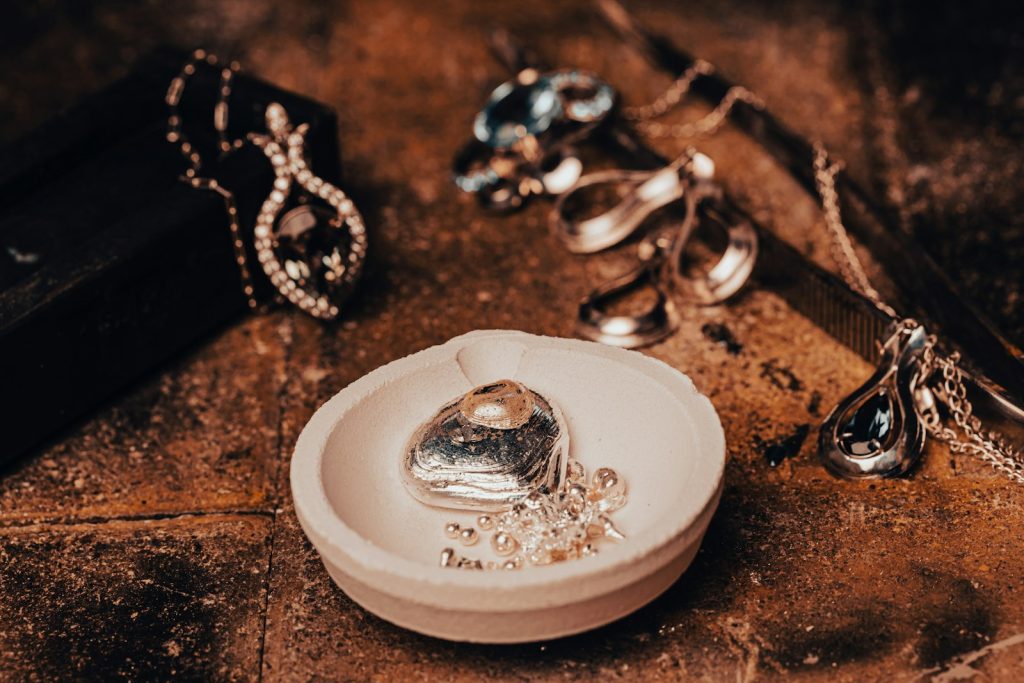
A demi fine jewelry manufacturer is a factory or workshop that produces 925 sterling silver jewelry with higher-end finishes like vermeil or thick gold plating for the affordable-luxury segment. In practice, that means consistent 925 purity, controlled micron plating, and QC that can support branding, OEM and private-label lines at scale.
What Is Demi-Fine Silver Jewelry?
“Demi-fine” sits between fashion jewelry (brass, base metals, thin gold flash) and fine jewelry (solid gold, higher ticket). For silver, demi-fine typically means:
- Base metal: solid 925 sterling silver (not brass, not “silver tone”).
- Finish: high-quality plating (gold vermeil or thicker gold plate), rhodium, or a combination.
- Price tier: retail roughly in the US$40–US$250 band for a single piece, depending on weight and plating (ranges only; your positioning may differ).
A demi fine jewelry supplier needs to control the “invisible” fundamentals: alloy composition, microns, adhesion, and anti-tarnish performance. This is where many fashion factories fail as brands try to move up into affordable luxury.
Why Brands Are Moving Into Demi-Fine
Positioning: Between Fashion and Fine
Demi-fine fits brands that want:
- “Real” precious metal messaging: 925, vermeil, or thicker gold plate over silver.
- Better wear performance than costume, without committing to solid 10–18K gold pricing.
- Entry-level lifetime pieces (earrings, minimal rings, chains) that feel like an upgrade from fast fashion.
From an importer’s perspective, demi-fine is attractive because:
- Units move faster than fine jewelry at retail.
- Margins are often higher than basic fashion SKU’s, with perceived value anchored on “sterling” and “vermeil”.
- 925 scrap value exists as a downside hedge, unlike brass or zinc alloy.
925 + Plating: The Core Stack
Most demi-fine lines use some combination of:
- Solid 925 sterling silver (unplated, polished or oxidized Balinese-style).
- Thick rhodium plating over 925 for bright, low-tarnish white-silver color.
- Gold vermeil (gold over silver at ≥2.5 microns in many key markets) at 14K–18K tone.
- Gold plating below vermeil thickness, but still thicker than fashion “flash”.
Your demi fine jewelry manufacturer should be able to quote and document plating specs in microns, not vague terms like “heavy plating” or “premium flash”.
925 Sterling: What “Sterling” Really Means in Production
Alloy and Marking
Legally and technically, sterling silver is:
- Composition: 92.5% pure silver, 7.5% other metals (typically copper, sometimes with trace germanium or other additives).
- Hallmark: “925” or “STERLING” stamped or laser-marked on the piece, tag, or finding where space allows.
In a demi-fine context, sterling is not optional marketing; it underpins your product claims. Importers should:
- Request alloy certificates or test reports (e.g., XRF spot tests) from the factory.
- Randomly verify purity via a third-party lab in your own market, especially prior to scaling PO volumes.
Balinese 925 from Celuk
Celuk, in Bali, is a long-established silver village where 925 craftsmanship focuses on filigree, granulation and detailed handwork. For trade buyers, this matters because:
- Artisan skill supports complex demi-fine designs (micro-beads, wire work, handset stones) at manageable MOQ bands.
- Oxidized finishing is a tradition, not a defect. Black recesses are usually intentional patina, not “tarnish out of the box”.
Our own desk in Celuk is set up as a sourcing, OEM and private-label export office: we coordinate multiple workshops, manage 925 consistency, anti-tarnish e-coating or plating, hallmarking standards and outbound QC before consolidation and export.
Plating Thickness (Microns) and Demi-Fine Durability
Plating thickness is central to demi-fine positioning. Below is a comparison of typical tiers you will encounter:
| Category | Typical Thickness | Base Metal | Expected Wear (Approx.) | Use Case |
|---|---|---|---|---|
| Fashion flash plating | ~0.03–0.10 microns | Brass / alloy | Weeks to a few months with regular wear | Low-cost fashion, trend tests |
| Mid-thickness gold over 925 | ~0.3–0.8 microns | 925 sterling | Several months to 1–2 years, depending on care and contact | Entry demi-fine price points |
| Vermeil-style plating | ~1.0–2.5+ microns | 925 sterling | Multi-year with normal consumer use | Core demi-fine / affordable luxury |
| Heavier luxury plating | ~3–5 microns+ | 925 sterling | Designed for long service life; can survive more abrasion | Premium affordable-luxury SKUs |
These are practical working ranges, not regulatory limits. Regulations in some markets define “vermeil” more narrowly (e.g., minimum 2.5 microns in certain jurisdictions). Always confirm against your target market’s legal definitions.
What You Should Specify to the Manufacturer
Instead of asking for “good plating”, specify:
- Base metal: 925 sterling silver, nickel-safe and lead-safe within your target market’s thresholds.
- Gold color: 14K, 16K, 18K tone (color reference, not solid karat). Send a color sample if you are picky.
- Plating thickness: in microns, with min and target (e.g., target 1.5 microns, minimum 1.0 micron at high-wear zones).
- Underlayers: e.g., copper + palladium under gold; or straight gold over silver; or rhodium under yellow gold for color control.
- Anti-tarnish: clear e-coating on top (yes/no) and on which SKUs.
E-Coating vs Rhodium vs Gold Plating
In 925 demi fine wholesale, finishes can be stacked several ways:
- Clear e-coating (nano / lacquer)
- Ultra-thin clear layer applied as an electro-coating. Slows tarnish and surface scratching. Common on bright silver and some gold-plated pieces. Can slightly change “feel” if over-applied.
- Rhodium plating
- Very thin but dense white-metal plating that gives a bright white color and better tarnish resistance than bare silver. Typical thickness for jewelry is well below 1 micron, but performance is strong because rhodium is hard and chemically stable.
- Gold plating / vermeil
- Yellow or rose gold color over 925, thickness tuned to your target tier. Can be applied over bare silver, over a nickel-safe underlayer, or over rhodium depending on the color and cost structure.
Stacking examples:
- Bright white demi-fine: 925 base → rhodium → optional e-coat.
- Yellow vermeil: 925 base → optional white underlayer → 1.5–2.5 microns 18K-color gold → optional e-coat.
- Dark-oxidized Balinese: 925 base → oxidizing bath in recesses → selective polish on highs → no rhodium, usually no e-coat on patinated areas.
Affordable-Luxury OEM: What to Ask From a Demi Fine Jewelry Manufacturer
MOQ Bands and Product Typing
For affordable luxury jewelry OEM, MOQs are usually driven by:
- Process: casting vs hand-fabrication vs chain machine vs wirework/filigree.
- Plating line efficiency: minimum rack loads to make your micron targets economical.
- Stone setting: higher MOQs when custom-cut or calibrated stones are involved.
As a ballpark (subject to workshop and complexity):
- Cast rings / pendants / studs: MOQs commonly start in the low hundreds per design per metal/color.
- Chain-based bracelets / necklaces: MOQs often quoted in meters of chain or pieces per chain pattern.
- Handmade filigree or granulation: MOQs can be more flexible, but unit labor cost rises; suitable for hero / brand-signature items.
We handle MOQ negotiation across Celuk workshops and can group your SKUs into logical production families so you don’t over-order on slow sellers.
FOB, Incoterms and Cost Components
For 925 demi-fine wholesale, ask suppliers to break out the unit cost into:
- Metal cost: based on gram weight x silver market reference (often using a weekly or monthly average).
- Labor / workmanship: casting, filing, polishing, stone setting, handwork (filigree, granulation, soldering).
- Finishing: rhodium, gold plating (microns), e-coating, oxidation, brushing, etc.
- Findings and stones: chains, clasps, posts, CZ, natural stones, lab-grown, etc.
- Packing: OPP bags, branded cards, barcodes, individual boxes (if factory-handled).
Typical trade is quoted FOB Indonesia port (e.g., FOB Denpasar or FOB Surabaya via consolidator), but we can also support FCA and EXW structures depending on your freight setup. Confirm:
- Who books the forwarder and insurance.
- Who handles export documentation (packing list, commercial invoice, HS codes, COO when required).
- Who takes responsibility for plating damage or oxidation in transit if any.
Indicative silver jewelry export pricing ranges (last verified June 2026) for 925-based demi-fine from Indonesia can cover a broad spread. Lightweight stud earrings in basic shapes can land in the single-digit US$ range FOB, while heavier, complex vermeil chains and multi-stone pieces move up significantly. You should always run landed-cost calculations with current silver prices, your chosen microns, and your own freight and duty situation.
Quality Control: What We Check Before Export
Our desk runs QC across cooperating Celuk workshops, with checks including:
- 925 compliance: Random XRF spot checks where possible, hallmark location and legibility.
- Plating verification: Adhesion tests (tape, mild abrasion on samples), color comparison against approved master, and thickness spot checks via plating-house reports.
- Mechanical integrity: Solder joints, clasps, jump rings, prongs, ear posts and backs.
- Finish: Polishing quality, absence of obvious file marks, controlled Balinese oxidation vs real corrosion.
- Stone setting: Prong tightness, symmetry, no visible glue in settings meant to be mechanical.
You should still run inbound QC on your side. No export-desk inspection fully replaces your own receiving standards; treat our QC as a first filter, not an excuse to skip your checks.
Balinese Craft for Demi-Fine: Filigree, Granulation, Oxidized Details
Filigree and Granulation on 925
Balinese filigree uses ultra-fine silver wires twisted and soldered into patterns. Granulation adds tiny silver beads (granules) fused carefully onto a base. For demi-fine these crafts allow you to:
- Build high-perceived-value textures without heavy metal weight.
- Differentiate from generic casting designs from large industrial hubs.
- Create “signature” capsules for your affordable-luxury jewelry OEM line.
Under magnification, hand filigree and granulation are visibly different from cast faux-filigrée. If your brand story references artisan work, specify real hand techniques in your tech packs and POs.
Oxidized vs Tarnished: Not the Same Thing
Balinese oxidation is deliberate:
- Pieces are treated in a chemical bath that darkens recesses.
- High points are re-polished, leaving contrast that exaggerates detail.
- The black tone is usually seen in engraved lines, recesses and behind granules.
By contrast, defective tarnish on new demi-fine stock shows as:
- Random patchy discoloration on broad surfaces.
- Yellow-brown hues rather than deep controlled black in recesses.
- Impact concentrated in areas that touch skin or sweat-residue from handling.
We separate intentional oxidation from quality issues in QC. For buyers, inspect your samples under strong light and keep a standardized finish board (polished bright, satin, heavy-oxidized, light-oxidized) so your team and the factory share the same references.
If you are planning an affordable-luxury line with Balinese detailing and want to align on finishes, you can request a wholesale quote to our Celuk export desk via email or WhatsApp coordination — we regularly host trade-focused material and finish reviews.
Design Choices that Affect Demi-Fine Durability
Contact Zones and Wear Patterns
Plating wears faster wherever friction, skin oils, sweat and chemicals concentrate. Design for:
- Lower abrasion: Less plating on ring shanks that constantly rub; or upsell solid silver with rhodium instead of gold in those SKUs.
- Smart texturing: Use oxidation and texture in high-contact zones so future wear reads as patina, not defect.
- Customer care cards: Small instructions about removing jewelry before shower, pool, gym, perfume, and storing dry.
Weight vs Retail Price Point
Silver is lighter than gold by value, but gram weight still drives cost. Consider:
- Hollow vs solid elements (earrings, big pendants) and dent risk.
- Open filigree structures that visually “fill space” without adding too many grams.
- Chain styles: cable vs curb vs rope — each carries different gram-per-cm and labor implications.
Ask your demi fine jewelry supplier for gram estimates at the CAD or prototype stage. This is where you still have room to adjust wall thicknesses, hollowing and profiles before cost is locked in.
How Celuk Silver Wholesale Works With Demi-Fine Buyers
Role: Independent 925 Sourcing and Export Desk
We are positioned as a Celuk-based sourcing and export office focused on:
- Coordinating multiple 925 workshops and plating partners in and around Celuk.
- Structuring OEM and private-label orders (tech packs, sampling, production, plating, QC, consolidation).
- Supporting importers on documentation and export so you can focus on marketing and retail.
We work to trade terms and talk in grams, microns, alloys and Incoterms — not generic lifestyle copy. You still own your landed-cost calculations and brand positioning; we provide the production backbone.
Typical Engagement Flow
- Initial brief: You share reference samples, design boards, target markets, price tiers and estimated annual volumes.
- Feasibility and sourcing: We map designs to Celuk workshops, plating houses and stone suppliers capable of demi-fine specs.
- Sampling: Prototype pieces with agreed 925, finish and plating thickness. Revisions as required.
- Costing: FOB price bands with breakdown by metal, labor and finishing where useful for you.
- Production and QC: Batch production, plating, alloy and finish checks, packing against your SOPs.
- Export: Coordination with your freight forwarder, documentation and shipment handover.
To explore demi-fine OEM or 925 demi fine wholesale from Celuk, you can request a wholesale quote — outreach via email or WhatsApp is welcome for technical questions before you visit or place samples.
What to Verify Yourself as the Importer
An honest demi fine jewelry manufacturer should encourage you to verify:
- Purity: Random 925 tests in your own lab or a trusted third party.
- Plating thickness: Especially where you make “vermeil” or micron claims on packaging. Spot-check via a plating-lab or specialized tester.
- Nickel / lead / cadmium compliance: Against EU, US, UK, or other local regulations applicable to your markets.
- Allergy performance: Internal wear tests on sample batches before full-scale launch.
- Color stability: Accelerated testing (salt-spray, sweat simulant) on gold and rhodium finishes if your brand emphasizes longevity.
No external partner should ask you to skip these steps. Our role is to reduce your friction and risk, not to replace your responsibility as the importer of record.
FAQs
What thickness of gold plating is best for demi-fine jewelry?
For most demi-fine brands, 1.0–2.5 microns of gold over 925 balances durability and cost. Below ~0.5 microns you are close to fashion “flash”; above ~3 microns you move into premium territory with higher metal cost but longer wear. Always align thickness with retail price and care instructions.
Is rhodium plating necessary on 925 demi-fine pieces?
Rhodium is not mandatory but is useful on bright-silver SKUs and white-tone designs. It improves tarnish resistance and gives a crisper white color. For oxidized Balinese styles, rhodium is usually skipped because it would interfere with intentional patina.
Can I market my 925 gold-plated jewelry as vermeil?
That depends on your market’s legal definition. Many jurisdictions require minimum 925 base metal, specific minimum gold thickness (often around 2.5 microns) and possibly minimum karat for the gold layer. Check local rules; if your plating is thinner, label as “gold-plated sterling silver” instead of vermeil.
What MOQs should I expect for demi-fine OEM collections?
MOQs commonly start in the low hundreds of pieces per design per color for cast items, with flexibility for artisan filigree and granulation. Chains or high-labor designs may have higher practical MOQs. Exact numbers depend on the workshop, plating batch sizes, and your mix of SKUs.
How should I brief a manufacturer for affordable luxury jewelry OEM?
Provide clear specs on 925 purity, target plating thickness in microns, gold color tone, finishes (polished, satin, oxidized), expected retail price bands, and target markets for compliance. Reference photos, CAD files and physical samples reduce misinterpretation and speed up accurate costing.