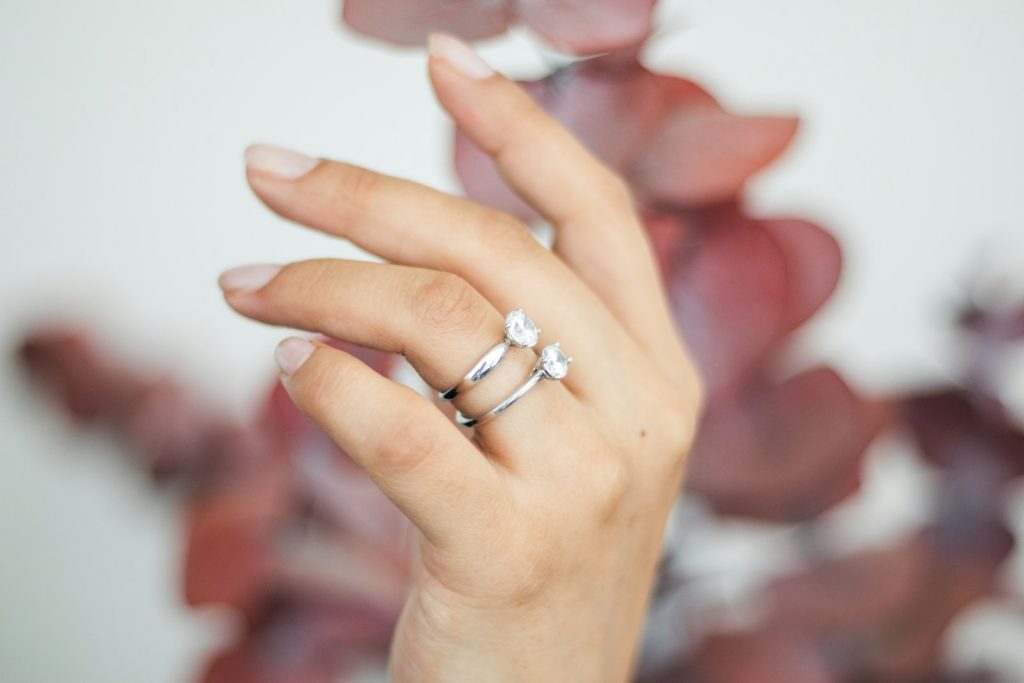
Wholesale marcasite jewelry is 925 sterling-silver set with small faceted pyrite stones to create a vintage pavé look at scale. This page explains how we manufacture, QC and export marcasite silver from Celuk, so trade buyers can spec durable product and negotiate cleanly.
What Is Marcasite Silver Jewelry, Technically?
In the trade, “marcasite jewelry” almost always means:
– Body metal: 925 sterling silver
– Stones: faceted iron pyrite (chemically FeS₂) cut in tiny rose cuts
– Setting style: bead/pavé or mini prongs, often oxidized background to boost contrast
Actual mineral marcasite is too brittle for jewelry; what you get is pyrite marketed as “marcasite”. For wholesale and compliance purposes, you should treat it as:
– Sterling-silver jewelry with non-precious stone inlay
– HS Code typically declared under “silver jewelry with semi-precious / other stones” depending on your customs broker’s classification
From Celuk we manufacture:
– marcasite silver rings wholesale (stackers to cocktail rings)
– earrings, studs to chandelier
– pendants and small medallions
– bracelets and bangles
– a limited line of brooches for heritage clients
Why Heritage and Vintage Brands Still Order Marcasite
Marcasite is a niche, but a stable niche. Buyers who come to us for 925 marcasite jewelry from Bali usually want three things:
1. Vintage look without antique sourcing risk
– High-contrast surfaces mimic Edwardian and early 20th-century pieces.
– Oxidized recesses plus bright-cut beads read clearly in photographs and e‑commerce thumbnails.
– You get a “heritage” aesthetic while using new 925 sterling and compliant alloys.
2. Repeatable OEM for collections
– Antique lots are one-of-a-kind; marcasite OEM is repeatable.
– You can build families: ring + stud + pendant + bracelet using the same mold set.
– Gram weights and stone counts are tightly spec’d for margin predictability.
3. Mid-ticket price point
Marcasite sits between plain silver and major-stone lines:
– Above basic 925 chains/ bands on perceived value
– Below genuine gemstone and fine-jewelry SKUs on cost
For many B2C brands, it fills the “giftable but not luxury” price tier cleanly.
Core Construction: How 925 Marcasite Jewelry Is Built
Base metal and hallmarking
– Body: 925 sterling silver (92.5% silver, 7.5% copper or low-zinc alloy)
– Hallmark: “925” + your brand stamp where requested; we apply marks per your market’s normal practice (ring inner band, pendant back, etc.).
– Nickel: we use nickel-free silver master alloys; EU Nickel Directive-compliant upon request with lab test support at buyer cost.
Oxidized vs defective finish
Marcasite almost always uses a darker background:
– Recesses are intentionally oxidized (sulfur-based solution) to darken the silver and make stones “pop”.
– Raised edges and beads are then polished bright.
This is not tarnish or “dirty” metal. QC looks for:
– Evenness: no random blotches on high points
– Clear contrast between dark recesses and bright edges
– No flaking or chalky residues from poor oxidation control
If your brand prefers a less antique look, we can reduce oxidation intensity, but fully high-polish around marcasite will visually flatten the design.
Stone type and cut
– Material: faceted pyrite marketed as “marcasite”
– Cut: tiny rose-cut (domed top with triangular facets, flat bottom)
– Color: metallic grey; slight tone variation between lots is normal
We recommend you present it to consumers as:
– “Marcasite (pyrite)” or
– “Genuine marcasite”
Avoid suggesting it is precious metal or hematite.
Setting style: why labor drives cost
Marcasite designs are labor-intensive:
– Stone size: commonly 0.8–1.5 mm diameter
– Setting: bead/pavé or micro-prong, secured by hand under a loupe
– Stone count: a medium ring can carry 30–80 stones; a pendant or bracelet more
Each stone increases:
– Setting time
– Risk of mis-seating or later loss if QC is weak
Machine setting capacity for marcasite is limited. In Celuk, most is still artisan pavé work, which is why fine detail + low FOB usually means something was compromised.
FOB Bands, MOQs and Cost Drivers (Bali, Last Verified June 2026)
We do not publish single-company price lists; your final offers depend on design, volume and metal market. Below are realistic working ranges and MOQs so you can model margins before sampling.
Typical FOB Bali Bands (925 + marcasite, ex-chain)
All figures below are indicative ranges “last verified June 2026” for standard 925 marcasite pieces at mainstream export quality, not promotional give-aways.
| Category | Approx. Gram Weight (Silver) | Stone Density | Indicative FOB Range (USD/pc, Bali) |
|---|---|---|---|
| Simple marcasite rings (stackers) | 1.8–3.0 g | Low (10–30 stones) | $3.20–$5.50 |
| Feature marcasite rings (larger tops) | 3.5–6.0 g | Medium–high (40–100 stones) | $5.80–$11.00 |
| Marcasite stud earrings | 1.5–2.5 g/pair | Low–medium | $3.00–$5.00 |
| Marcasite drop earrings (small) | 3.0–5.0 g/pair | Medium–high | $5.00–$9.50 |
| Marcasite pendants (medallion) | 2.5–5.5 g | Medium–high | $4.50–$10.00 |
| Marcasite bracelets (link) | 8–16 g | High | $11.00–$24.00 |
Key drivers that will move you outside these bands:
– Silver gram weight outside the indicated bands
– Extra processes: anti-tarnish e-coat, partial rhodium, gold vermeil overlays
– Complex articulations, dual-side pavé, hidden clasps
– Very small order quantities or frequent micro-reorders
MOQ patterns we see for marcasite
Indicative MOQ structures used by many Celuk workshops:
– Per SKU per size:
– Rings: 10–30 pcs/size/SKU
– Earrings & pendants: 30–50 pcs/SKU
– First order development:
– Total order value: often targeted at USD 2,000–5,000+ for workable pricing on a mixed marcasite + plain silver program
– Private-label / OEM:
– Tooling/mold: usually amortized into FOB for large runs; otherwise a one-time charge per model
At Celuk Silver Wholesale we consolidate across small and mid-sized workshops, so we can usually reduce effective MOQs within reason by aggregating SKUs and handling QC + export as one desk. Exact numbers depend on the complexity of your line plan.
If you have a merch plan already, you can request a wholesale quote or send it via email/WhatsApp; we’ll mark which SKUs are most efficient to source from Bali versus elsewhere.
Design Considerations for Marcasite OEM and Private-Label
1. Choosing ring and earring profiles
For marcasite silver rings wholesale, three commercial shapes dominate:
– Narrow bands with small pavé panels
– Oval or navette (marquise) tops for a period look
– Cluster tops combining marcasite with a central colored stone (garnet, onyx, CZ)
Trade advice:
– Taller, domed tops use more stones and reduce durability if prongs are too fine.
– Wide but low-profile designs survive daily wear better.
– For EU/US markets, avoid excessively thin bands near the shank bottom (<1.3 mm) to reduce bending returns.
For earrings:
- Studs: best sellers for online; clear price ceiling; minimal return risk.
- Drops: confirm weight per pair – above ~7 g/pair some retail customers complain about comfort.
- Hinged dangles: budget a bit more for findings and labor.
2. Combining marcasite with other stones
Common and workable combos:
– Marcasite + black onyx (cabochon or faceted)
– Marcasite + garnet / deep red glass
– Marcasite + white or colored CZ
Points to check:
– Seat depth: pyrite is brittle; cross over between high and low stones should avoid high-pressure contact.
– Consumer truth: be accurate in product descriptions—list each material clearly.
3. Oxidation level and surface texture
You should specify:
– “Strong antique” – deep, nearly black recesses, high contrast.
– “Moderate” – dark grey recesses, softer look.
– “Light” – just enough to define detail.
Highly polished, non-oxidized marcasite settings are rare and usually not recommended; without contrast, the facets disappear in photos.
4. Finishing options: e-coat and rhodium on marcasite
For marcasite jewelry, finishing is a balance:
– Anti-tarnish e-coating
– Ultra-thin clear lacquer layer.
– Slows silver tarnish, can slightly soften oxidation contrast if heavily applied.
– Needs very controlled application to avoid pooling around tiny stones.
– Rhodium plating
– Brilliant white, durable surface.
– Tends to reduce the vintage character; can visually clash with dark marcasite recesses.
– If requested, we usually rhodium only selective areas (e.g., shank or back) to preserve the front’s antique effect.
Most heritage brands opt for:
– Oxidized, non-rhodium front
– Optional light e-coat on back/shank to reduce skin-contact tarnish
Durability, Returns Risk and Care Instructions
What fails in poorly made marcasite jewelry
Three common failure modes:
1. Stone loss
– Cause: shallow seats, insufficient bead coverage, soft or over-polished beads, or poor alloy hardness.
– Impact: even one missing stone is highly visible on pavé surfaces.
2. Discoloration of silver
– Cause: aggressive chemicals (bleach, sulfur-rich pools), body chemistry, or no anti-tarnish management in storage.
– Remember: intentional oxidation is dark in recesses; random yellow/brown film on high areas is tarnish.
3. Prong/bead wear
– Over-polishing during manufacture thins beads.
– Repeated abrasion in wear can slowly reduce bead height.
How we treat durability at QC
At Celuk Silver Wholesale, our house QC for marcasite includes:
– 10x loupe check on randomly sampled pavé areas per lot
– Light mechanical tap / brush test on sample pieces to see if any marginal stones move
– Verifying bead coverage, not just visual alignment
– Checking oxidation for consistency and absence of residue
– Verifying 925 hallmarks are present, legible and not placed where they weaken thin shanks
We recommend buyers also:
– Do in-house receipt QC on first 2–3 shipments, then adjust AQL levels or tightening as needed.
– Track returns by failure type (stone loss vs. tarnish vs. breakage) to adjust specs on future orders.
End-customer care guidelines you should share
Simple care text you can adapt into your packaging or PDPs:
– Avoid soaking marcasite jewelry in water, especially hot water with detergents.
– Remove rings before cleaning with bleach, strong detergents or sulfur-based products.
– Do not use ultrasonic cleaners; vibration can loosen small stones.
– Clean gently with a soft, dry cloth; avoid aggressive silver dips on heavily oxidized pieces.
– Store individually in dry pouches; avoid long-term open-air humidity.
These basic rules materially reduce warranty claims.
Comparing Marcasite to Other Vintage-Look Silver Lines
- Marcasite vs plain oxidized silver
- Plain oxidized silver uses only metal texture and blackening for interest; marcasite adds metallic sparkle via pyrite stones but raises labor cost and returns risk if QC is weak.
- Marcasite vs CZ pavé
- CZ pavé (white or colored) reads more “fine-jewelry” and modern; marcasite reads older and dressier. CZ is usually more chip-resistant; marcasite’s metallic look is unique but somewhat more brittle.
- Marcasite vs black spinel / onyx micro-set
- Black stones create a darker, edgier aesthetic. Marcasite keeps more light play and pairs better with brands positioned around heritage or vintage Europe.
- Marcasite vs fully antique sourcing
- Buying actual antiques creates sizing, condition and legal-provenance issues. New marcasite OEM gives repeat sizes, standard alloys and modern QC while targeting a similar customer mood.
If you are unsure which direction suits your retail data, send us a short brief via request a wholesale quote and we can talk through ring weights, retail price targets and margin bands over WhatsApp before you commit to tooling.
Incoterms, Export Handling and What You Should Verify
Usual Incoterms for marcasite orders from Bali
Common structures we see buyers use:
– FOB Denpasar (FOB DPS)
– We handle local transport to airport, export clearance, packing.
– You or your forwarder book the airfreight.
– FCA Bali
– For buyers using integrated couriers or consolidations; we deliver to your nominated forwarder in Bali with export documents.
– CIF major air hubs on request
– Some clients prefer costed-to-destination freight for predictability.
– Insurance and freight charged separately on invoice, with clear breakdown.
All routes are subject to airline schedules and capacity; we do not guarantee transit times. Confirm with your forwarder based on current market conditions.
Documents and compliance
We typically provide:
– Commercial invoice with HS codes aligned to your broker’s instruction
– Packing list with piece counts per SKU/size
– Country-of-origin declaration (Indonesia)
– 925 content declaration as required by your market
What you should verify locally:
– Import duty rates and VAT rules for silver jewelry with non-precious stones in your country
– Any national hallmarking schemes (e.g., compulsory assay marks)
– Labeling rules about metal content and stone description
We can adapt stamps and back-stamping layouts to support these rules, but legal responsibility rests with the importer of record.
How We Work with Vintage and Heritage Brands
Sampling and development
Standard workflow for a new marcasite line:
1. Design brief
– You send reference images, target gram weights, ring size range, and retail price bracket.
– We flag designs that will be fragile or uneconomic.
2. CAD / technical drawing
– For OEM: CAD with estimated gram weight and stone count for approval.
– For simple line extensions: we can modify existing Celuk workshop patterns.
3. Sample run
– Usually 1–3 pcs/SKU in selected sizes.
– Lead time often 3–5 weeks depending on workshop load and design complexity.
4. Cost finalization
– FOB range narrowed based on confirmed weight and labor time.
– We quote within a validity window tied to silver market movements.
Production and QC consolidation
– Multi-workshop sourcing
– We allocate SKUs to workshops that specialize in marcasite pavé vs. filigree vs. casting, then consolidate.
– Central QC
– Our QC team checks finished goods before packing; substandard pieces are rejected or reworked at the workshop.
– Export packing
– Individual polybags or brand-supplied packaging, then cartonized with internal segregation per SKU/size.
Private-label and packaging
Options we regularly handle:
– Your logo stamp next to 925 (subject to tooling and size limits)
– Brand-specific hangtags or cards supplied by you
– Barcode or QR stickers applied to plastic bags/boxes as per your SKU system
We do not manage consumer marketing or content; our role is manufacturing coordination, QC and export.
Is Marcasite Right for Your Portfolio?
Marcasite tends to perform best for:
– Brands with a clear heritage/vintage story
– Retailers serving 35+ age brackets with an appreciation for “old-world” styling
– Multi-brand stores needing a visually distinct silver line next to plain or minimalist designs
It is less suited for:
– Ultra-minimalist, modern aesthetics
– Markets where pavé stone loss is unacceptable at any level and service infrastructure is minimal
– Extremely aggressive price-point programs with little room for hand-labor
If your data shows consistent pull toward antique-style product photos but you do not want the operational complexity of second-hand sourcing, a controlled 925 marcasite line from Bali can fill that gap.
To explore FOB ranges on your specific designs, you can request a wholesale quote and share sketches or references; we typically follow up by email and WhatsApp to clarify specs, Incoterms and test-order volumes before any commitments.
FAQs: Wholesale Marcasite Silver Jewelry from Bali
Is marcasite jewelry durable enough for everyday wear?
Properly made marcasite jewelry in 925 silver is suitable for regular wear, but it is not as forgiving as plain metal. The main risk is loss of tiny stones if beads are too small or seats too shallow. With conservative design, solid shanks and good QC, returns can be kept within normal jewelry levels, but you should still provide basic care instructions and avoid marketing it as “heavy-duty” jewelry for rough use.
Can you rhodium plate marcasite silver rings wholesale?
Yes, partial or full rhodium is technically possible, but we usually recommend selective plating only (e.g., ring shanks and backs) to keep the vintage contrast of the marcasite face. Full rhodium can visually flatten oxidation and change the character of the piece. Rhodium adds cost and requires tight control to avoid plating build-up around the tiny stones.
What is the usual lead time for 925 marcasite jewelry from Bali?
For new OEM designs, allow roughly 3–5 weeks for sample development and a further 5–8 weeks for initial bulk production after approval, depending on design complexity and workshop load. Re-orders of existing models are typically faster. Exact timing also depends on your order volume, shipping method and seasonal patterns, so confirm current estimates when you place a PO.
How do I specify quality standards for stone setting?
At a minimum, define: acceptable stone misalignment tolerance, no missing or loose stones, bead height and coverage targets, and acceptable oxidation range (with sample as master). We can work with your AQL level for functional defects (e.g., AQL 1.0–2.5 for stone-related issues) and incorporate that into QC instructions at the workshop level.
Can you mix marcasite and non-marcasite SKUs in one shipment?
Yes. Many buyers ship mixed cartons containing marcasite lines plus plain 925, filigree and stone-set pieces. We consolidate, QC and export under a single set of documents. Your customs broker may prefer separate HS codes on the commercial invoice breakdown for different product types; we prepare line-item detail accordingly based on your instructions.