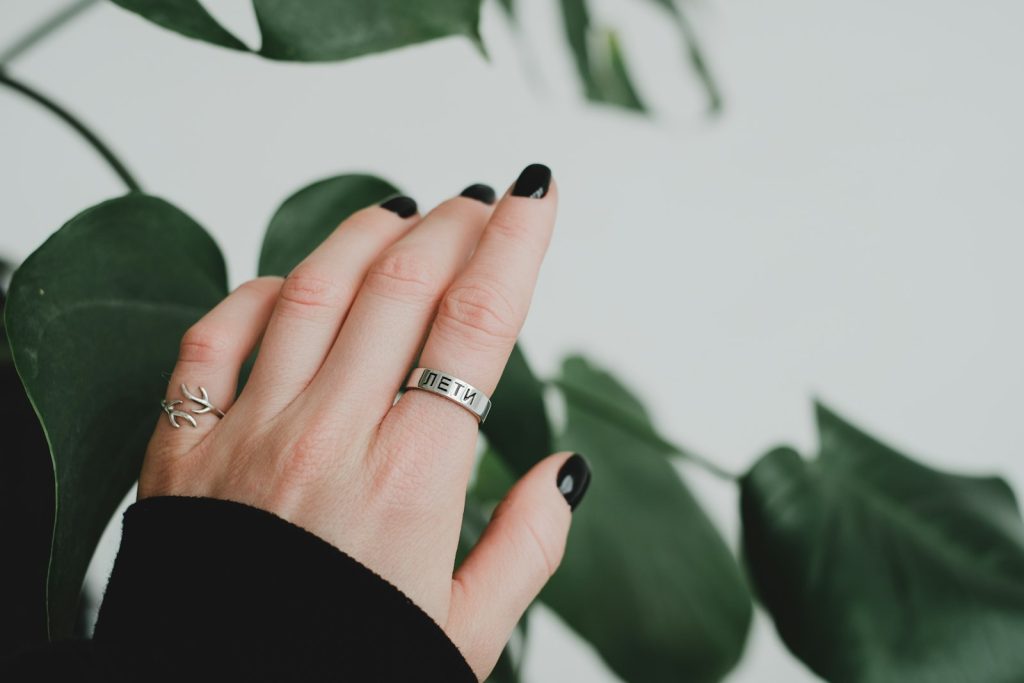
The hs code silver jewelry importers usually start from is HS heading 7113 – “articles of jewelry and parts thereof, of precious metal or of metal clad with precious metal.” For finished 925 sterling-silver jewelry, HS 7113 is the right heading in most markets, but the exact subheading, tariff rate and local rules must always be confirmed with your own customs broker.
What HS 7113 Covers – And Where Sterling Silver Fits
HS 7113 is a 4-digit heading in the Harmonized System for “articles of jewelry and parts thereof, of precious metal or of metal clad with precious metal.” For silver jewelry, most importers are dealing with:
- Finished 925 sterling-silver jewelry (rings, earrings, bracelets, necklaces, pendants, anklets, body jewelry)
- Made primarily of silver (92.5% purity for 925), possibly with:
- Gemstones (natural or synthetic)
- Cubic zirconia / glass
- Non-precious components (steel findings, silicone, cord)
- Packed individually for retail or bulk-packed for wholesale/OEM
Under HS 7113, the first critical split for silver jewelry tariff code decisions is between:
- Articles of jewelry of precious metal (e.g., sterling silver, gold, platinum)
- Imitation jewelry (heading 7117), made of base metals or non-metals
As long as the core of the item is precious metal (925 sterling-silver sheet, wire, casting grain), it usually stays in HS 7113, even if the piece includes some base-metal findings or non-metal parts. Where it lands within 7113 at 6-digit, 8‑digit or 10‑digit level is where national rules, explanatory notes and local practice matter a lot.
HS Code Silver Jewelry: 4-Digit vs. 6-10 Digit Levels
Importers often ask us for a “full HS code” and “the duty rate” for their order. The honest answer is:
- We can safely confirm HS heading 7113 for finished silver jewelry in most jurisdictions.
- We cannot safely assign your 8‑digit or 10‑digit national code or tell you your duty – that must come from your customs broker or customs authority.
How the structure works
- Heading (4 digits)
- 7113 – Articles of jewelry and parts thereof, of precious metal or of metal clad with precious metal.
- Subheading (6 digits – WCO level)
- 7113.11, 7113.19, etc. Broad splits by metal type and sometimes by whether it is plated or solid.
- National tariff lines (8–10 digits)
- Defined by each importing country. These can split by item type (rings vs. necklaces), metal content, stones, usage, or price band.
- Tariff rate and taxes
- Applied at the national 8–10 digit level. Includes basic customs duty, plus any VAT/GST, excise or other levies.
This is why HS 7113 jewelry classification is “semi-universal” only at the top. A silver ring and a silver bracelet may share 7113 at 4 digits but be treated differently at 8 or 10 digits in your country.
Why the 4-digit heading is the safe starting point
As a trade desk, we use 7113 on:
- Commercial invoices
- Packing lists
- Pro-forma invoices and quotations
- Internal costing and price-band planning
For sterling-silver orders exported from Indonesia, 7113 is widely accepted as the correct heading for finished jewelry. This aligns with global practice for HS 7113 jewelry, but the way your customs authority subdivides that heading – and what duty they charge – is not something a factory or export agent in Bali should pretend to “know better” than your own broker.
Common National Classification Splits for Silver Jewelry
Different markets slice HS 7113 in different ways. Below is a generic comparison table to show the types of splits importers run into. It’s not a legal or binding reference; it is to help you know what to ask your broker about.
| Classification aspect | Typical impact on silver jewelry tariff code | What to confirm with your broker |
|---|---|---|
| Metal type | Separate lines for silver vs. gold vs. platinum jewelry. | Which 6‑digit line applies to sterling-silver, and how “silver” is defined in your tariff. |
| Plated vs. solid | Some tariffs treat silver-plated base metal differently from solid sterling-silver. | Whether your items count as “precious metal” or “plated base metal.” |
| With or without stones | Subdivisions by presence of gemstones, cubic zirconia, or other inserts. | If gemstones change the HS line or duty rate for silver items. |
| Type of item | Rings, necklaces, bracelets, etc. can each have their own lines. | Which national codes map to each product type in your range. |
| Value band | Some countries apply different codes for items below/above a set customs value. | If your planned FOB or customs value crosses into a higher band. |
| Origin / trade agreement | Preferential rates under FTAs if rules of origin are met. | Whether Indonesian-origin silver jewelry can qualify under any agreement. |
Result: two importers buying the same 925 ring could legally use slightly different national tariff lines and see different duty outcomes, based on their country and their broker’s interpretation of local notes.
Key Questions to Ask Your Broker Before You Lock Pricing
Before you commit to OEM pricing, retail MSRP, or a long-term contract, use these questions with your customs broker or trade compliance team:
1. “Which 8–10 digit code applies to my specific products?”
Send your broker:
- Clear product descriptions (e.g., “925 sterling-silver ring with cubic zirconia, 2.5g average, no plated base metal”)
- Composition breakdown if mixed materials are used
- Representative photos or drawings
- Sample invoice lines and values
Ask them to map those to your country’s full national code for jewelry customs classification and confirm that the code is consistent with past entries and customs rulings in your market.
2. “What is my total landed cost impact?”
Have them list out, per HS line:
- Basic customs duty % (ad valorem)
- Any additional tariffs or trade remedies (if applicable)
- VAT/GST and how it is calculated (on CIF, on CIF + duty, etc.)
- Typical brokerage and clearance fees tied to jewelry imports
Use that to back-calculate your safe buying range per gram or per piece. From Bali, we normally quote ex-works or FOB per piece or per gram, then align our invoice value with your expected customs value assumptions.
3. “Does using 925 sterling-silver change anything vs. lower-purity silver?”
Some markets have specific notes on what qualifies as “silver jewelry” vs. “imitation jewelry.” A 925 hallmark usually helps keep you firmly under precious-metal rules, but you still need your broker’s confirmation on:
- Any minimum purity for the relevant HS 7113 jewelry lines
- Any labelling or hallmarking requirements at destination
- Any consumer protection or assay rules that might affect release into free circulation
4. “Do I need binding classification or advance rulings?”
If you are planning large, repeat shipments, your broker may suggest applying for a binding tariff information (BTI) or equivalent national ruling. It can lock in treatment for specific articles of jewelry and provide some certainty.
Just remember: BTIs and similar rulings are product-specific. Change the design, composition, or weight profile significantly, and your ruling can stop applying.
Typical Product Scenarios Under HS 7113
To make the silver jewelry tariff code discussion more concrete, here are typical scenarios importers ask us about. These are examples only – you still must confirm with your broker.
Pure 925 sterling-silver bands with no stones
Example: plain 925 ring bands, 2.0–3.0 g each, polished or brushed finish, simple profile.
Common issues:
- Heading 7113 generally applies as jewelry of precious metal.
- National code may separate:
- Rings vs. other types of jewelry
- Silver vs. other precious metals
- Items above or below a certain customs value per piece
- Some tax authorities may take a specific interest in simple shapes as possible “investment” or “bullion-type” items, but most plain bands are still treated as jewelry.
925 silver jewelry with cubic zirconia or semi-precious stones
Example: 925 earrings or pendants with CZ, garnet, amethyst, moonstone or other semi‑precious stones.
Common issues:
- Still typically under HS 7113 as jewelry of precious metal.
- National lines may:
- Separate “with stones” vs. “without stones”
- Have specific wording for “set with precious or semi-precious stones”
- Valuation risk: customs may compare declared value per piece or per gram against market norms for stone-set silver jewelry.
Mixed-material pieces (silver + cord, leather, rubber, stainless findings)
Example: a 925 pendant on a leather cord; silver charms on rubber bracelets; 925 elements combined with stainless steel chains.
Common issues:
- Classification can swing between:
- Precious metal jewelry (7113)
- Imitation jewelry (7117)
- Other headings if the precious metal part is minor
- The “essential character” principle often applies – which material defines the piece in normal use.
- Your broker may need precise weight breakdowns of silver vs. non-silver components.
With mixed materials, we recommend sharing CAD specs or detailed BOM with your broker early, especially on larger orders.
Documentation: How We Present HS 7113 on Export Paperwork
As an independent Celuk 925 sterling-silver sourcing and export desk, we handle quality control and export documentation from Bali. On the paperwork side, we typically:
- Use HS heading 7113 on:
- Commercial invoice
- Packing list
- Certificate of origin (if requested and applicable)
- Describe products line by line with:
- Material: “925 sterling-silver” clearly stated
- Item type and design reference
- Net weight per item or per line, total silver gram weight
- Unit price and total price
- Align Incoterms (FOB, CIF, etc.) with the logistics plan agreed in advance.
If your broker gives you a more detailed 8–10 digit national code they want to see on invoice lines, you can share that with us; we can reflect your preferred code in the commercial invoice, as long as it stays consistent with HS 7113 at 4 digits and with the product’s actual composition.
If you need to structure your program from HS code all the way down to gram-based costing and FOB bands from Bali, you can request a wholesale quote and we can walk through product specs and documentation over WhatsApp before you get on a plane.
Incoterms, HS 7113 and Who Owns the Customs Risk
Your Incoterms choice directly affects who deals with customs classification and HS coding at destination.
FOB / CFR / CIF
- Seller (exporter in Indonesia):
- Handles export clearance and Indonesian HS coding practices.
- Shows HS 7113 on export documentation.
- Buyer (you):
- Owns import classification decisions.
- Works with local broker to select national codes and manage duties/taxes.
For silver jewelry, most of our serious wholesale importers and OEM clients choose FOB Bali (or nearby port) or CIF to a main hub, then use their own long-standing customs broker at destination.
DDP and classification
DDP can look attractive, but it shifts classification and duty risk to the seller or a third-party forwarder. For HS 7113 jewelry, where valuation and classification are often scrutinised, most professional importers prefer to control their own customs interface.
As an independent desk, we default to FOB or CIF for that reason, especially on higher-value 925 lines. You keep your direct relationship with your broker; no one can pay to change what we publish; and if you proceed with a logistics partner we introduce, they may pay us a referral fee at no extra cost to you.
HS Code, Silver Spot Price and Your Costing Model
The HS code itself does not set your price, but it does affect landed cost. For 925 projects, importers usually watch two moving parts:
- Silver spot price: drives the base cost of the metal portion of each piece.
- HS 7113 treatment: drives duty, VAT/GST and sometimes extra fees.
We typically see silver jewelry OEM costing managed along these lines (ranges only, last verified June 2026 and subject to constant change):
- Base 925 jewelry ex-works cost: strongly linked to design complexity, making technique (casting vs. handmade), and order quantity bands.
- FOB uplift: packaging, inspection, inland transport, export handling and documentation typically add a predictable per‑piece or per‑kg layer.
- Import duty: applied to CIF value, at your market’s rate for your specific silver jewelry tariff code.
For example, a 3.0 g 925 ring with a simple setting might sit in a known ex‑works cost band in Celuk. Adjusting for silver price and labour, you can model per‑piece FOB across your collection. Your broker’s HS and duty guidance then turns FOB into landed cost, which you translate into wholesale and retail pricing. The more precise your HS 7113 classification, the more accurate your forward pricing can be.
How We Work With Your Compliance Team
Our role is to be the trade and logistics interface between Celuk workshops and importers who need consistent 925 supply plus clean paperwork. On HS classification specifically, we:
- Flag HS 7113 as the operating heading for finished silver jewelry.
- Provide detailed item descriptions, weights and composition data.
- Adapt invoice layouts to your broker’s preferences where practical (without mis-describing goods).
- Coordinate with your nominated forwarder and broker under your chosen Incoterms.
What we do not do:
- We do not declare your national 8–10 digit codes without your broker’s input.
- We do not guarantee a specific duty rate in your market.
- We do not “under-invoice” or misclassify to chase lower duty – that is risky for you and us.
If you want to walk through a live bill of materials or test a new 925 line from a trade-compliance angle, you can request a wholesale quote to Celuk or set up a remote session; we routinely go through product sheets and WhatsApp photos with buyers’ compliance teams before first POs.
Practical Checklist for Your Next HS 7113 Shipment
Before you place the order
- Confirm product list with:
- Item type (ring, earring, etc.)
- Average piece weight and size range
- Materials (925 silver %, stones, other components)
- Send sample specs to your broker for HS code confirmation.
- Clarify Incoterms and who is responsible for import clearance.
- Simulate landed cost using your broker’s duty and tax rates.
Before shipment
- Check that invoice HS heading shows 7113 for silver jewelry (unless your broker instructs a different heading for specific items).
- Ensure quantities, weights and values match your purchase contract.
- Verify that product descriptions align with what your broker expects to see.
- Make sure any required certificates of origin or special forms are issued correctly.
On arrival at destination
- Broker files entry using your agreed full national HS codes.
- Customs may request:
- Additional product information
- Photos or samples
- Clarification on composition
- Use the same HS and description structure on future repeat shipments to maintain consistency.
What if customs disagrees with your HS 7113 subheading?
In some markets, customs may reclassify to a different 8–10 digit code or even challenge the heading. If that happens:
- Engage your broker immediately – it is their arena.
- Have product specs and invoice history ready.
- We can provide supporting manufacturing information from Celuk (weights, alloys, process descriptions) if needed.
Often, disagreements are about subheading details, not the base 7113 heading itself, but any change can affect duty and tax on the shipment and, in some cases, on your back catalogue.
FAQs: HS Code for Silver Jewelry (7113)
Is HS 7113 always the correct heading for 925 silver jewelry?
For finished jewelry made primarily of 925 sterling-silver, HS heading 7113 is the standard starting point in most markets. That said, mixed-material pieces or unusual formats can sometimes fall under other headings. Your customs broker has the final say for your jurisdiction.
Can my supplier in Indonesia decide my full national HS code and duty rate?
They can suggest HS 7113 as the heading and share how similar goods are exported, but they should not be the authority on your 8–10 digit national code or your duty rate. Those depend on your country’s tariff schedule and should be confirmed by your own customs broker or customs authority.
Do gemstones change the HS code for silver jewelry?
Gemstones rarely change the 4-digit heading away from 7113 for precious metal jewelry, but they often affect the 6–10 digit subheading and, in some countries, the duty rate. Many national tariffs distinguish between jewelry with stones and without. Send sample specs to your broker so they can map them properly.
How detailed should my product description be for customs?
Customs prefers clear, factual descriptions: metal type and purity, item type (ring, earring, pendant, etc.), presence of stones, and sometimes weight or value bands. For example, “925 sterling-silver ring set with cubic zirconia, average 2.8 g” is more useful than just “silver jewelry.”
Can Celuk Silver Wholesale help me align HS classification with my product development?
We do not replace your customs broker, but we can provide accurate technical details (materials, weights, processes) and structure invoices to match the codes your broker specifies. If you’d like to coordinate a sourcing and compliance review, you can request a wholesale quote and we’ll work through your collection and paperwork with you over WhatsApp and in person in Celuk.