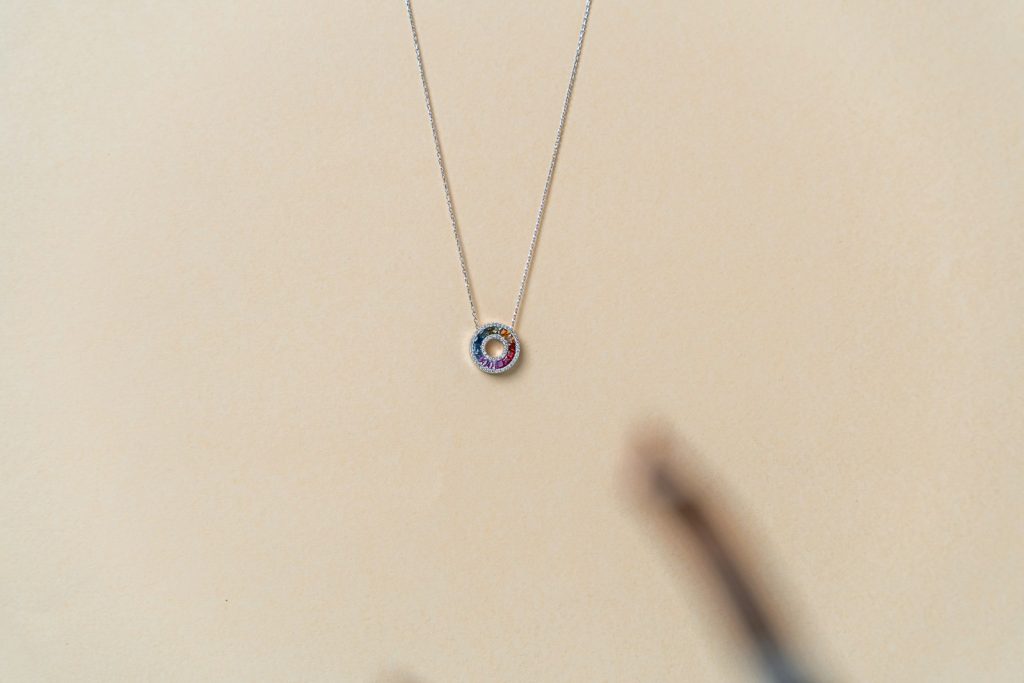
For 925 gold vermeil wholesale, you are buying sterling silver cores with a defined minimum gold thickness and karat, not generic “gold-plated” mystery metal. Vermeil is a legal and technical plating standard on 925 silver; if the gold layer and karat are not specified in writing, you should treat the offer as standard gold-plated silver—not vermeil.
What 925 Gold Vermeil Wholesale Actually Means
In most major markets, “vermeil” is not just a marketing word. It is a specification:
- Base metal: 925 sterling silver (no brass, copper or zinc alloy cores allowed).
- Gold purity: usually 18K or higher (some markets allow 14K, but 18K is the norm for imported vermeil).
- Gold thickness: a defined minimum thickness, expressed in microns, not “layers” or “flash”.
By contrast, “gold-plated” alone can mean anything from 0.05 microns of gold flash on brass up to multi‑micron plating on silver. As a buyer, you need to lock down all three variables—core, karat, and thickness—before you market or label the product as vermeil in your country.
Vermeil vs Gold-Plated 925 vs Flash Plating
Celuk workshops in Bali produce both heavy-plated vermeil and lighter gold-plated 925 lines. The same casting and filigree skills are used; the difference is in the plating build.
| Spec | Vermeil on 925 | Gold-plated 925 | “Flash” plating (budget) |
|---|---|---|---|
| Core metal | 925 sterling silver only | Usually 925, can be brass if not stated | Commonly brass, zinc, mystery alloys |
| Gold purity | Typically 18K–24K | 10K–24K (often 14K / 18K) | Variable; often not disclosed |
| Gold thickness | ~1.0–2.5+ microns (spec-dependent) | 0.3–1.0 microns (buyer-defined) | <0.1–0.2 microns (cosmetic) |
| Wear resistance | Best of the three under normal use | Moderate, depends on thickness | Poor; rubs off quickly |
| Legally “vermeil” in strict markets? | Yes, if local thresholds are met | No | No |
| Typical positioning | Premium plated line | Mid-price fashion line | Low-cost promo / seasonal |
If you are listing on marketplaces or supplying retailers, regulators may check that your “vermeil” claim matches their minimum thickness standards. Always verify your own market’s definitions—especially in the US, EU and UK—then write those numbers into your purchase orders.
Core Metal: 925 First, Then Gold
As a Bali-based silver desk, Celuk Silver Wholesale starts from 925. For any vermeil or gold-plated 925 program, you want the following confirmed in writing:
- All cores are 925 sterling silver: hallmarking on the metal (e.g., “925” stamp) and in documents.
- Nickel policy: EU buyers typically require nickel-safe or nickel-free systems.
- Lead/cadmium policy: children’s jewelry and EU/US markets usually have strict limits; ask for test reports.
Plating can hide core metal. If your supplier will not commit to “925 core” on invoice and proforma, consider that a brass-plated offer, even if the homepage says “silver-style”.
Gold Thickness Specs: Microns, Not Adjectives
For 925 gold vermeil wholesale, thickness is where most misunderstandings—and disputes—start. Vermeil buyers should agree on:
- Target minimum thickness: e.g., 1.0, 1.5, or 2.0 microns of gold.
- Measurement basis: thickness on flat, accessible surfaces (not inside filigree crevices).
- Acceptance tolerance: e.g., “no reading below 0.9 micron on sample points for a 1.0-micron spec”.
Rough expectations (ranges based on typical Asian plating facilities, last verified June 2026):
- 0.3–0.5 microns: decent mid-market 18K gold plated silver wholesale, but not vermeil in stricter jurisdictions.
- 1.0 micron: often accepted as an entry-level vermeil build for earrings and pendants in fashion retail.
- 2.0+ microns: higher durability for rings and bracelets that get more abrasion.
Ask your gold vermeil supplier how they control thickness: rectifier settings, time, and in-house XRF checks. If they cannot explain their process in numbers, they are not running a consistent vermeil line.
Gold Karat Choices: 18K, 14K, 22K Looks
Gold purity affects both color and cost. Common vermeil builds on 925 in Bali include:
- 18K yellow vermeil: balanced color, widely used in EU/US; a good default for most brands.
- 14K yellow look: slightly paler; used when matching solid 14K assortments in the same store.
- 18K rose vermeil: gold alloyed with copper for a pink tone; fashion-driven, more niche.
- 22K “Bali gold” tone: deeper yellow, inspired by Indonesian solid gold color; can be attractive for ethnic collections but verify the karat label permitted in your market.
Karat does not tell you anything about thickness. An honest vermeil jewelry manufacturer in Bali will always quote “karat + microns” together, for example: “18K, 2.0 microns on 925.” You should mirror that in your product data.
Vermeil vs Anti-Tarnish E-Coating and Rhodium
On the silver side, Celuk workshops usually protect 925 either with rhodium (for bright white finish) or an anti-tarnish e-coating. For gold-plated 925, the stack is different:
- Base silver prep: polish, clean, ultrasonic.
- Strike / underlayer: sometimes nickel or palladium to improve adhesion (nickel restrictions apply).
- Gold layer: actual vermeil / plated build in microns.
- Optional top coat: clear e-coating for extra abrasion resistance (can slightly soften the feel).
Do not mix up “anti-tarnish e-coating on bare silver” with “vermeil plating”. E-coating alone gives you clear protection on silver tone, not gold color. If your goal is a long-life yellow look, you usually need both sufficient gold thickness and, in high-friction applications, a protective top coat.
Applications: Rings, Chains, Charms, and Filigree
Gold-plated and vermeil behave differently depending on the product type and wear pattern:
Rings & Bracelets (High Wear)
- Experience from Celuk lines: these need the heaviest builds—often 1.5–2.5 microns—to avoid early wear-through on edges.
- Harder alloys (e.g., 18K vs 24K) can show better scratch resistance for the same thickness.
Earrings & Pendants (Lower Wear)
- These can work well in the 0.5–1.5-micron band, depending on your price point and retail positioning.
- Weight is lower, so the absolute gold cost per piece is manageable even at higher micron specs.
Chains & Findings
- Fine chains and lobster clasps are friction points; if your main story is “vermeil chain”, push thickness higher.
- For component findings (jump rings, hooks) within a plated collection, align specs so colors match.
Balinese Filigree and Granulation
- Traditional Celuk filigree and granulation detail takes vermeil plating well, but ultra-fine wires can show micro color variation if not jigged correctly.
- Communicate if you expect deep crevices fully coated, or accept that some inner recesses may appear slightly darker over time.
If you are planning a new plated line on Balinese filigree or oxidized motifs, you can request a wholesale quote to the workshop floor (virtual or in person) and go through ring, chain, and component specs live via WhatsApp before committing to bulk orders.
MOQ Bands, Gram Weights and Cost Drivers
In a 925 gold vermeil wholesale program, your main cost drivers are:
- Base silver weight (grams per piece)
- Gold thickness and karat
- Design complexity (filigree vs plain)
- Finish steps (e-coat yes/no, hand-oxidation under gold, etc.)
Some practical guidelines (ranges based on Celuk-area workshop practices, last verified June 2026; your exact offers may vary):
- MOQs: common bands are 30–100 pcs per SKU per color for plain cast pieces; 50–200 pcs for complex filigree or multi-part items.
- Per-gram silver costs: tied to global silver prices plus local making charges; expect plated 925 retail programs to sit above bare silver lines of similar weight due to gold usage and extra processing.
- Gold plating surcharge: usually quoted as “per piece add-on” based on gram weight and micron spec, sometimes as a per-gram plating fee.
For OEM/private-label, ask for two numbers on quotation:
- Unit price at your target plating spec (e.g., 18K, 1.0 micron).
- Incremental cost per +0.5 micron increase, so you can model upgrades quickly.
Quality Control: How to Verify Vermeil Claims
Any serious gold vermeil supplier should be open to these QC measures:
Pre-Production Samples (PPS)
- Approve both design and finish spec (color, gloss, and approximate plating build).
- If you have access to XRF testing at destination, measure the PPS and send data back before full production.
In-Process and Pre-Shipment Checks
- Random sampling of plating thickness by the factory (XRF or similar).
- Visual checks for pinholes, exposed silver, uneven coverage near edges and inside settings.
- Mechanical checks on moving parts (clasps, hinges) where plating often fails first.
Independent Testing
- For larger programs, consider third-party labs for:
- Gold thickness on sample points.
- Core metal identification (confirm 925, not brass).
- Nickel release and heavy metals for regulated markets.
Internally, Celuk Silver Wholesale separates intentional Balinese oxidation and patina from actual defects. On vermeil, any deliberate oxidation should be agreed upfront (e.g., dark recesses underneath gold or between granules); unexpected grey patches on high points are treated as QC issues.
Durability, Tarnish and Customer Expectations
Vermeil is more durable than thin flash-plating, but it is still a surface finish. You should set end-customer expectations clearly:
- All plating will eventually show wear on high-friction contact points, especially rings and bracelets.
- Household chemicals, perfumes, and sweat accelerate degradation; care instructions help reduce returns.
- Thicker, harder builds significantly delay visible wear but cannot make 925+gold behave like solid gold.
For most fashion brands, a well-plated vermeil piece offering 12–24 months of attractive wear under normal use is acceptable. If your positioning is closer to fine jewelry, consider upgrading microns or mixing in solid gold SKUs for the highest-wear categories.
What to Specify in Your PO for Vermeil and Plated 925
To protect your brand and minimize disputes, each purchase order for 925 gold vermeil wholesale or 18k gold plated silver wholesale should include at least:
- Core metal
- “925 sterling silver core, stamped ‘925’”
- Gold karat
- “18K yellow gold plating” (or 14K / 22K, etc.)
- Thickness
- “Minimum 1.5 microns on flat, accessible surfaces; no reading below 1.3 microns on QA checks”
- Underlayers
- “Nickel-free system required” or explicit permission if nickel strike is used
- Top coat
- “Clear e-coat on top of gold” (yes/no, and if only on selected SKUs)
- Color reference
- “Match approved PPS #xxx color; no visible batch-to-batch shift”
- QC and testing
- “Supplier to allow third-party inspection before shipment if requested”
- Packaging
- “Anti-tarnish bag / card requirements; desiccant usage if shipping by sea”
This level of specificity protects both sides: you have clear acceptance criteria; your supplier can cost correctly and avoid under-building the plating to hit a price you later deem unacceptable.
Logistics, Incoterms and Handling
Gold-plated and vermeil 925 ship under the same general rules as plain silver, but you should consider:
- Incoterms: FOB Bali/Surabaya or CIF to your nearest port are common; clearly state where risk transfers.
- Packing: inner PE bags or anti-tarnish pouches, outer boxes with adequate bracing against impact.
- Transit time: long sea transit in humid conditions can stress packaging; for high-value plated lines, many buyers choose air for first runs to validate packing robustness.
As an independent Celuk 925 sourcing and export desk, we coordinate QC, consolidation and export admin from Bali-based workshops to your nominated forwarder. You keep control of freight choices and trade terms; no one can pay to change what we publish, and if you proceed with our partner they may pay us a referral fee at no extra cost to you.
Working with a Vermeil Jewelry Manufacturer in Bali
Many Celuk-area factories are excellent silversmiths but communicate plating specs loosely (“good thick gold”, “18K color”). You can get strong results by:
- Sending clear plating specs in writing: karat, microns, top coat, nickel policy.
- Starting with a focused assortment (e.g., 10–20 SKUs) before opening 100+ designs.
- Testing 1–2 production batches under your real retail conditions (returns rate, customer feedback).
- Adjusting microns by category (upgrade rings and bracelets if needed, hold earrings/pendants steady).
If you want support translating your retail promises into factory specs and QC checklists, you can request a wholesale quote with our team. We usually start via WhatsApp to review your catalog, target markets, and risk tolerance before suggesting an MOQ and plating profile.
FAQs: Vermeil and Gold-Plated 925 for Importers
Is vermeil always better than regular gold-plated 925?
Vermeil is heavier plating on 925 with defined minimums, so it generally lasts longer than typical light gold-plated 925. However, a well-built 0.8–1.0-micron gold-plated 925 ring may perform better than a borderline vermeil piece with inconsistent coverage. Focus on specific microns, not just the label.
Can I label 0.5-micron 18K plating on 925 as “vermeil”?
In many markets, 0.5 microns is too thin to be marketed as vermeil. Some regulators and industry bodies expect around 1.0 micron or higher. Always check your local rules and platform policies; if in doubt, market it as “18K gold plated 925 silver” and reserve “vermeil” for your heavier builds.
How do I independently verify plating thickness?
Use an XRF testing service or an assay lab that can read plating thickness on finished jewelry. Send random samples from incoming shipments. Compare their readings to your contracted minimums and discuss any gaps with the supplier immediately.
Does vermeil eliminate tarnish completely?
Gold itself does not tarnish, but the underlying silver can still oxidize if the gold layer is thin or compromised. On good-quality vermeil, tarnish is rare in the early life of the piece, but edge wear, scratches, or porosity can allow some silver to react over time. Clear care instructions and adequate microns reduce issues.
What MOQs should I expect for 18K gold plated silver wholesale from Bali?
Typical MOQs in the Celuk area range from around 30–100 pieces per SKU for simpler cast designs and 50–200 for complex filigree or multi-part items, depending on the workshop and finish spec. Volume, repeatability, and plating thickness all influence the final MOQ and unit price, so confirm specifics in each quotation.